Spring Garden Maintenance: Top Ten Tips for Northern Colorado Gardeners
As the days lengthen and the landscape settles into its fullest greens, late spring and early summer bring a noticeable shift in the garden. Plants are stretching, pollinators are fully awake, roots are racing underground, and soil life is at its peak. It’s a vibrant moment, and a perfect time to tend your garden in ways that support long-term ecological health.
In northern Colorado, where rapid temperature swings, intense sun, clay soils, and unreliable precipitation shape our growing season, maintenance during this window is less about controlling the garden and more about responding to what the ecosystem is asking for. A regenerative approach works with these natural rhythms, helping your landscape thrive with less effort and fewer resources.
Here are our top ten tips for caring for your habitat garden as we transition from spring’s softness into summer’s heat.
Prune Trees and Shrubs with Care
Late spring and early summer are good times to evaluate the structure and health of your trees and shrubs, but pruning should be light and intentional. In northern Colorado, temperature swings can stress woody plants, so the goal is to support long-term health, not reshape the plant dramatically.
Focus on:
Removing dead, damaged, or crossing branches on shrubs and small trees.
Shaping lightly after flowering for spring-blooming shrubs like lilac or forsythia (prune right after blooms fade).
Clearing out minor storm damage from late-spring snow events.
Supporting good airflow in dense shrubs to reduce disease pressure.
Avoid heavy pruning once summer heat sets in; it can shock plants and stimulate tender new growth that struggles in hot, dry weather. For most structural or size-reduction pruning, wait until mid-winter or very early spring.
2. Cut back Perennials and Grasses (Later than you think)
The key to responsibly caring for a habitat garden is starting your big spring cutback a little later than you might be used to.
Wait until you see a healthy flush of new growth at the base of perennials before cutting back last year’s stems. This protects overwintering insects and ensures you don’t trim too early.
Focus on:
Cutting perennials to just above the emerging foliage, leaving 3–6 inches of stem whenever possible to preserve habitat for cavity-nesting bees.
Shear early bloomers lightly to encourage a tidy shape and fresh growth without stressing the plant.
Leave warm-season grasses alone until they’re clearly pushing new green growth; cutting too early weakens their natural timing.
Compost healthy trimmings, but discard anything diseased so pathogens aren’t reintroduced into the garden.
Avoid over-tidying. A little unevenness is normal in a habitat garden and often more beneficial than cutting everything down uniformly.
3. Prioritize Deep, Consistent Watering
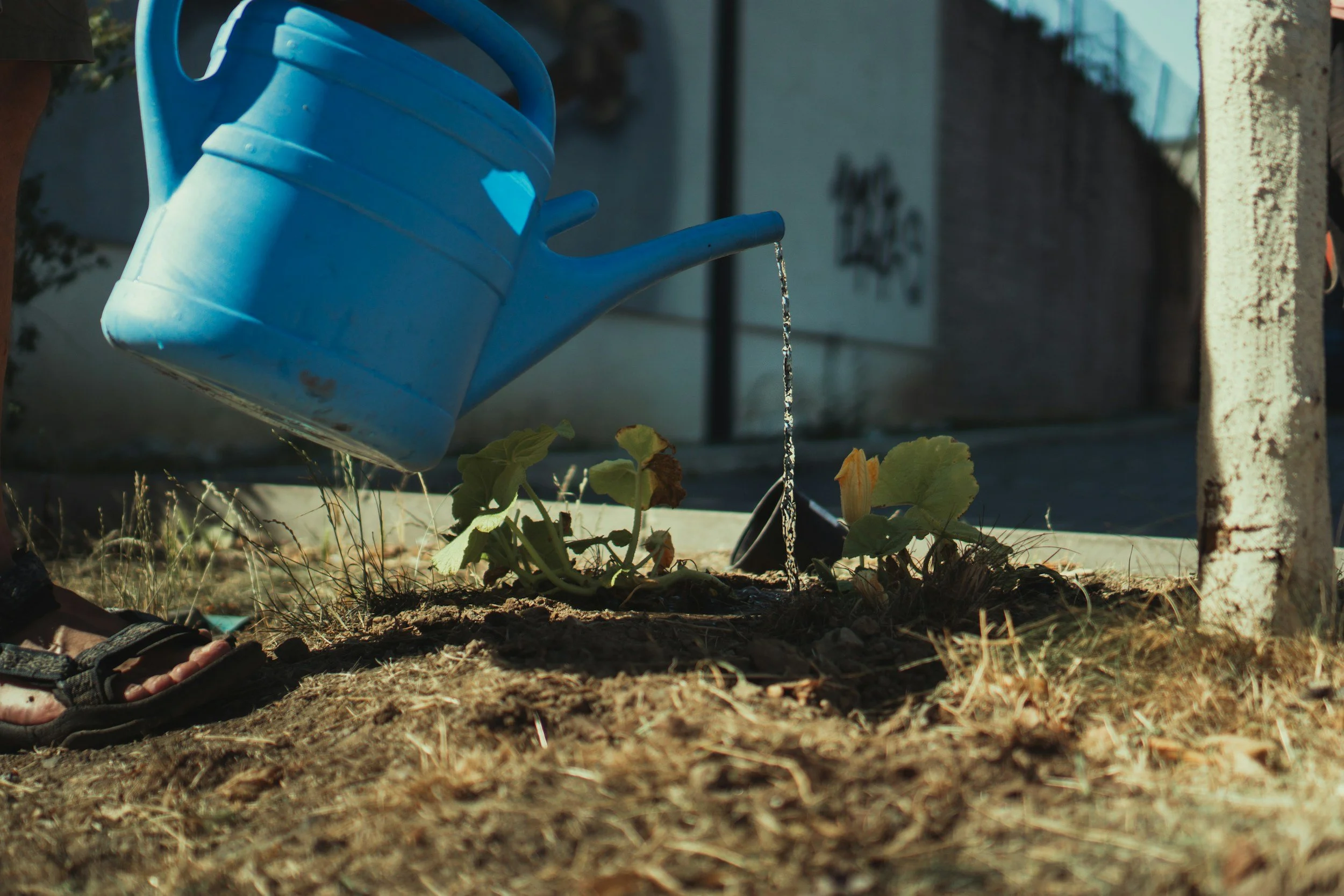
By late spring, new plantings and emerging perennials are actively rooting in. Consistent moisture is key to helping them establish before the heat arrives.
Focus on:
Water deeply and infrequently. Aim to moisten the soil 6–12 inches deep. This trains roots to grow downward where moisture lasts longer.
Water early in the morning to reduce evaporation and discourage foliar disease.
Use emitters and drip irrigation for targeted, efficient watering that mimics gentle rainfall.
Pay special attention to drought-adapted natives like penstemon, rabbitbrush, and yarrow; they still need water in their first season.
In northern Colorado, spring precipitation is unpredictable. If we enter a dry spell, your garden will benefit from an intentional deep soak once or twice per week until monsoon season stabilizes moisture.
4. Refresh Mulch Where Needed
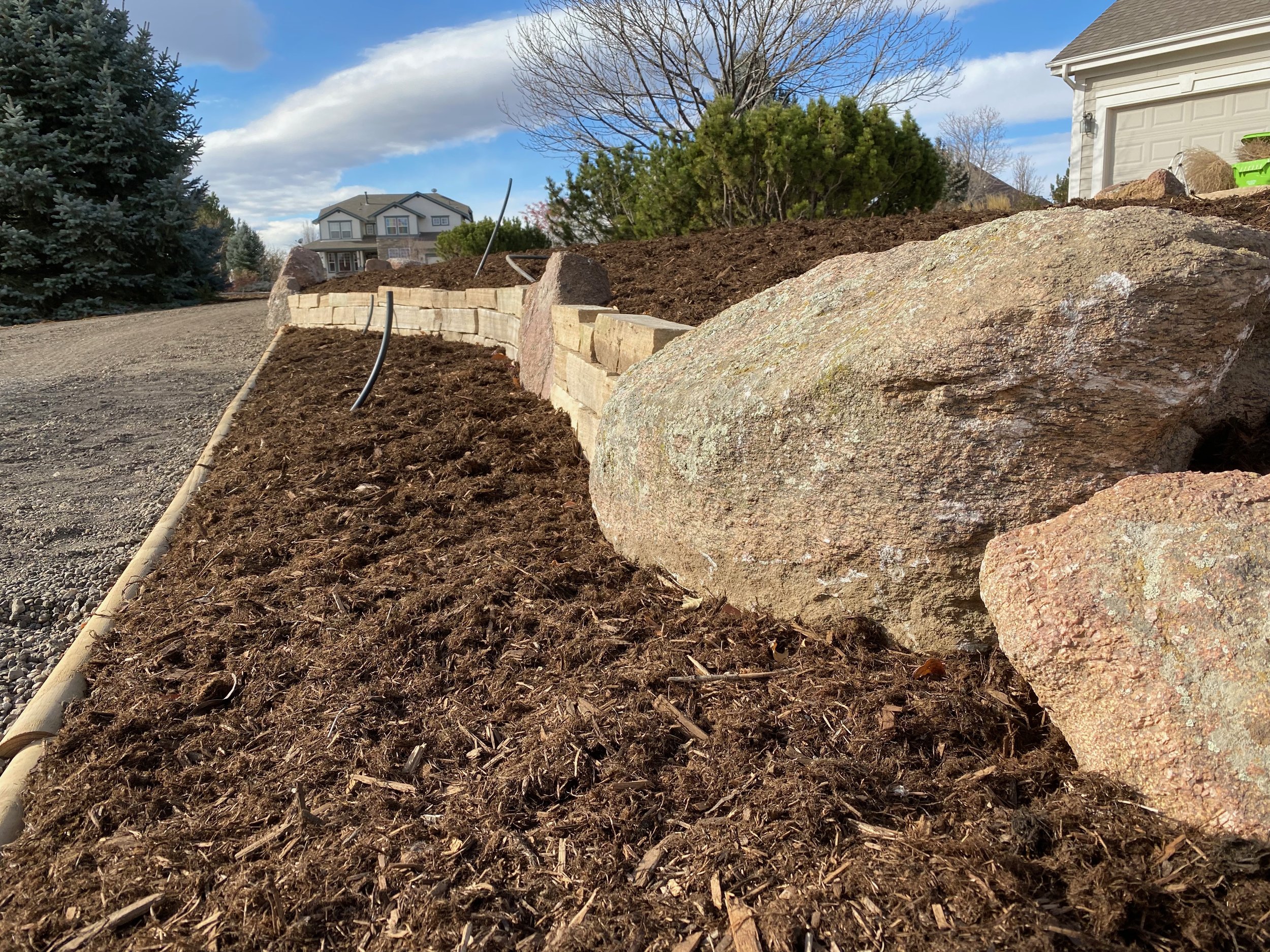
Mulch is one of the most effective regenerative tools we have in this climate. It moderates soil temperature, protects plant roots, supports microbial activity, limits weeds, and reduces the need for irrigation.
By early summer:
Top off mulch to maintain a 2–3 inch layer around perennials, shrubs, and young trees.
Use natural materials like shredded bark, wood chips, or partially composted leaves—these break down and feed soil life.
Keep mulch away from stems and trunks to prevent moisture buildup and pests.
Think of mulch as insulation that helps your garden ride out the coming heat with resilience.
5. Monitor for Pests, But Let Nature Lead
In a regenerative garden, pest management focuses on observation, balance, and habitat—not quick fixes.
This time of year, look for:
Aphids clustered on new growth
Leaf damage from flea beetles
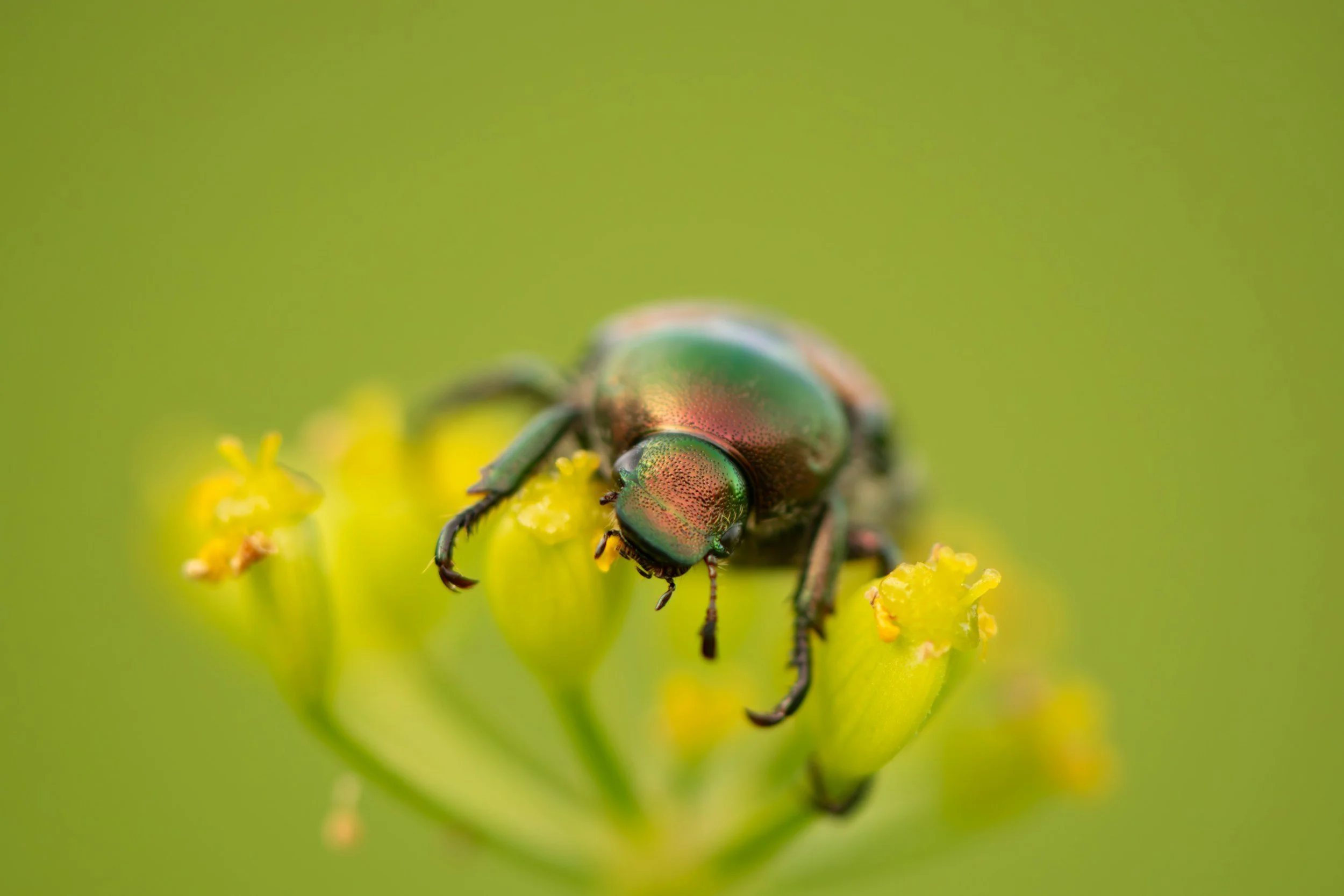
Early signs of Japanese beetles (late June into July)
But before intervening:
Check if predators like lady beetles, wasps, lacewings, or birds are already present. Often, nature corrects the imbalance within days.
If you need to take action:
Use a strong spray of water to knock off soft-bodied pests.
Handpick beetles early in the morning when they’re sluggish.
Avoid insecticides, even organic types, which can harm beneficial insects and pollinators.
Your goal isn’t to eliminate every insect—it’s to support a thriving, diverse food web.
6. Pull Weeds with Intention
With warm days and moist spring soil, weeds are eager to grow. But not all weeds require action right away.
In a regenerative garden:
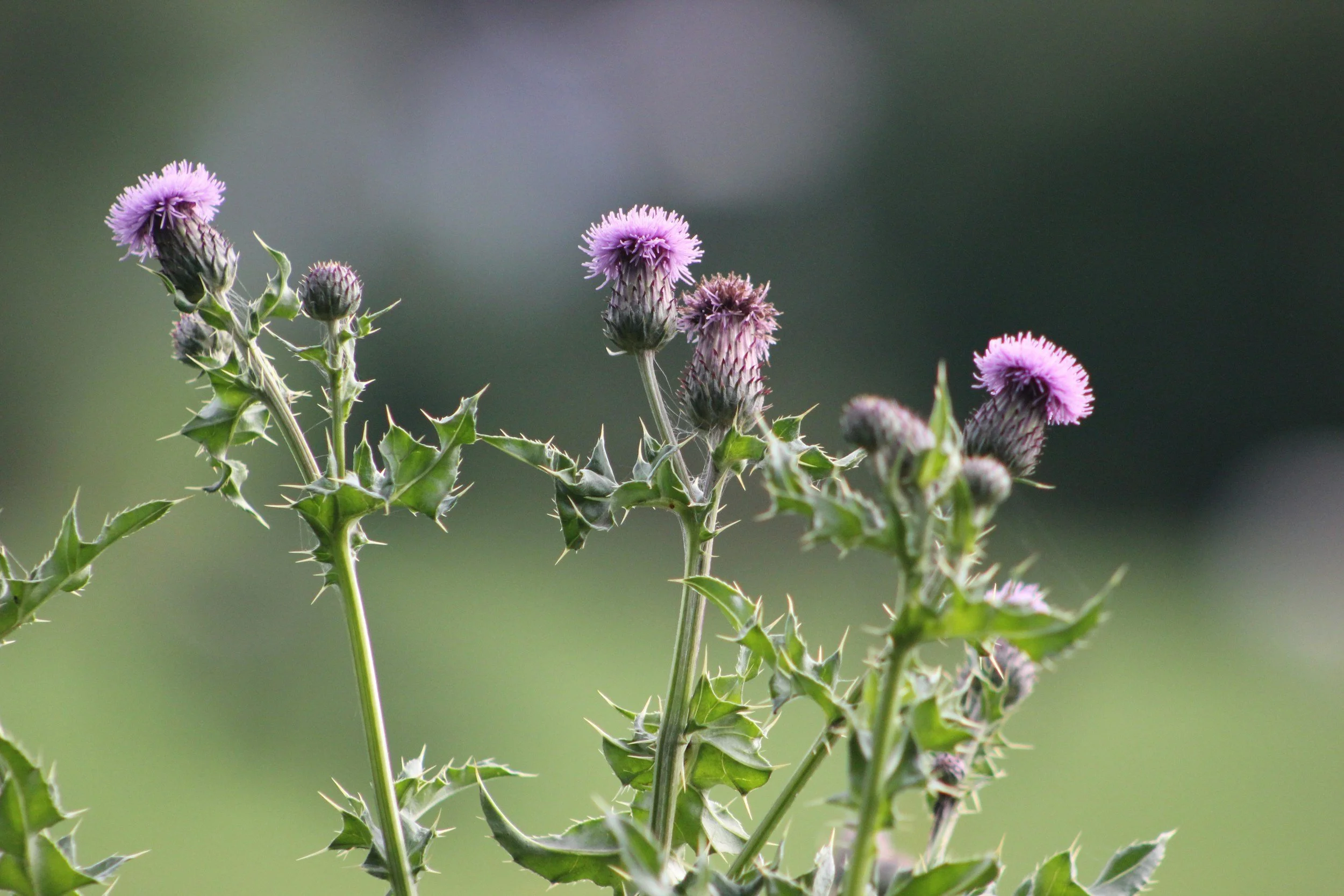
Prioritize invasive or aggressive species like bindweed, Canada thistle, or kochia. Removing these early prevents bigger problems later.
Pull opportunistic annual weeds (like purslane or mallow) before they set seed, but don’t panic if a few pop up.
It’s ok to leave non-aggressive volunteers if they’re providing cover or stability in open soil. Sometimes a “weed” is simply a pioneer plant doing its ecological job.
Aim for balance: keep competition manageable without disturbing the soil more than necessary.
7. Support Young Plants Through Their First Summer
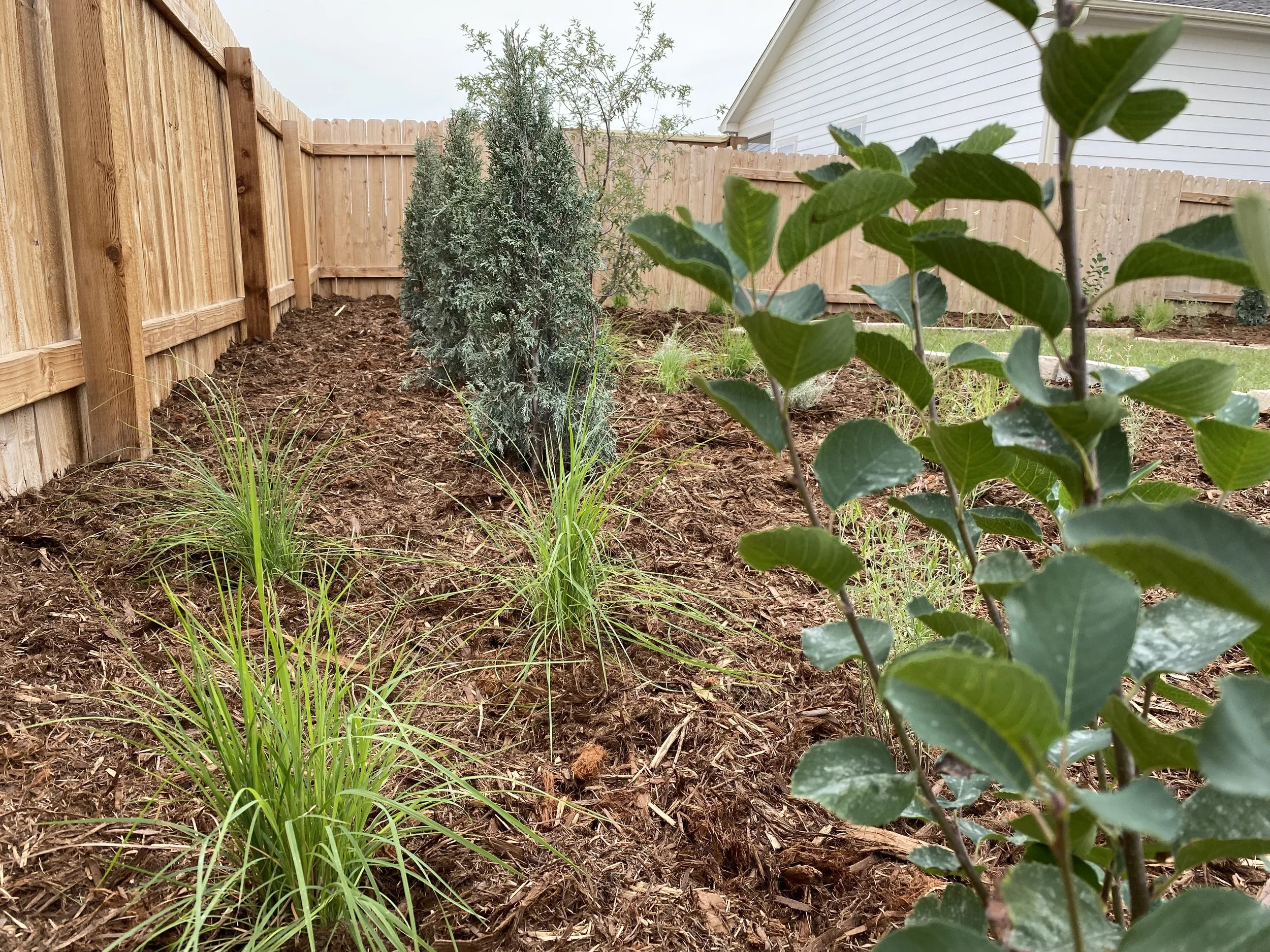
Late spring is when new plantings need the most thoughtful attention. Northern Colorado’s intense sun and wind can stress young perennials and shrubs.
To help them settle in:
Provide temporary shade cloth for tender species during heat waves.
Check soil moisture more frequently for plants installed this spring.
Consider light compost top-dressing to boost soil biology without over-fertilizing.
Plants need care now so they can become the hardy, low-maintenance companions of seasons to come.
8. Planting and Planning for New Additions
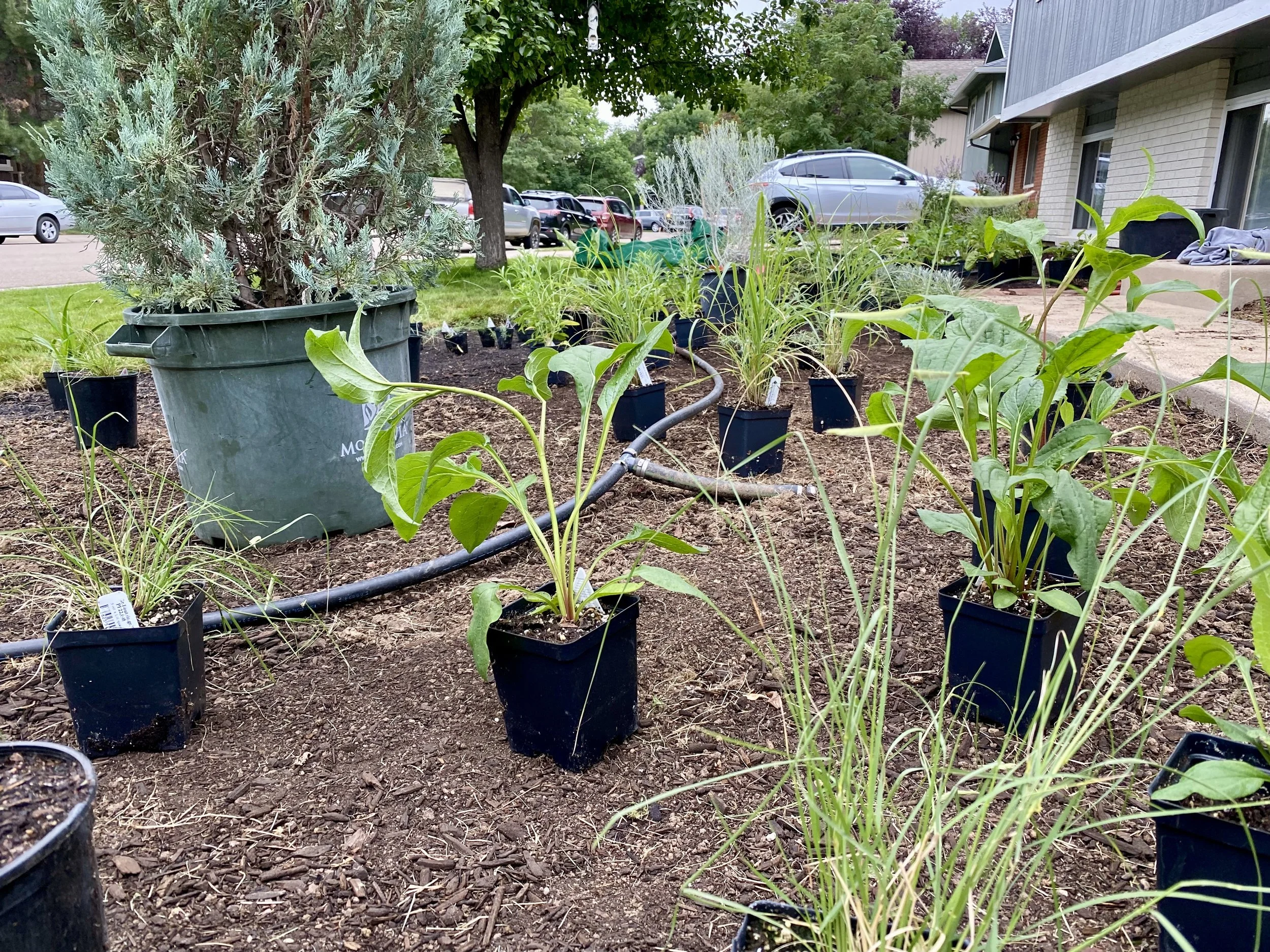
Late spring and early summer are excellent times to introduce new plants or plan updates for your garden, especially if you're working with climate-adapted natives and well-rooted perennials.
When planting now:
Choose smaller container sizes (1-gallon or 4-inch). They establish faster and cope better with heat.
Water deeply during the first few weeks, especially during warm, windy spells.
Mulch after planting to stabilize soil temperatures and conserve moisture.
Prioritize natives and drought-tolerant species like blanketflower, bee balm, agastache, rabbitbrush, and prairie dropseed.
This is also an ideal moment to observe gaps, mismatched spacing, or areas that feel underplanted. A regenerative garden is dynamic. Plants shift, self-sow, and spread over time.
Use this season to make notes about:
Where pollinators are congregating (or not)
Spots that get more sun than expected
Understory areas that need groundcover
Open soil that could benefit from tough pioneers like yarrow or blue grama
You don’t have to plant everything at once. A phased approach allows you to respond to what the garden is already teaching you and choose plants that truly suit the space.
Planting in late spring or early summer can be incredibly successful as long as you pair it with consistent early care. By fall, many of these plants will be strongly rooted and ready to shine next season.
9. Observe, Learn, Adjust
One of the most powerful practices in regenerative gardening is simply paying attention. Walk your garden often—early morning and evening are especially revealing.
Notice:
Which plants are thriving
Where water pools or dries quickly
What pollinators are visiting
How plants interact and fill space
Where weeds repeatedly show up
Your observations will guide your decisions better than any checklist.
10. Let the Season Lead the Way
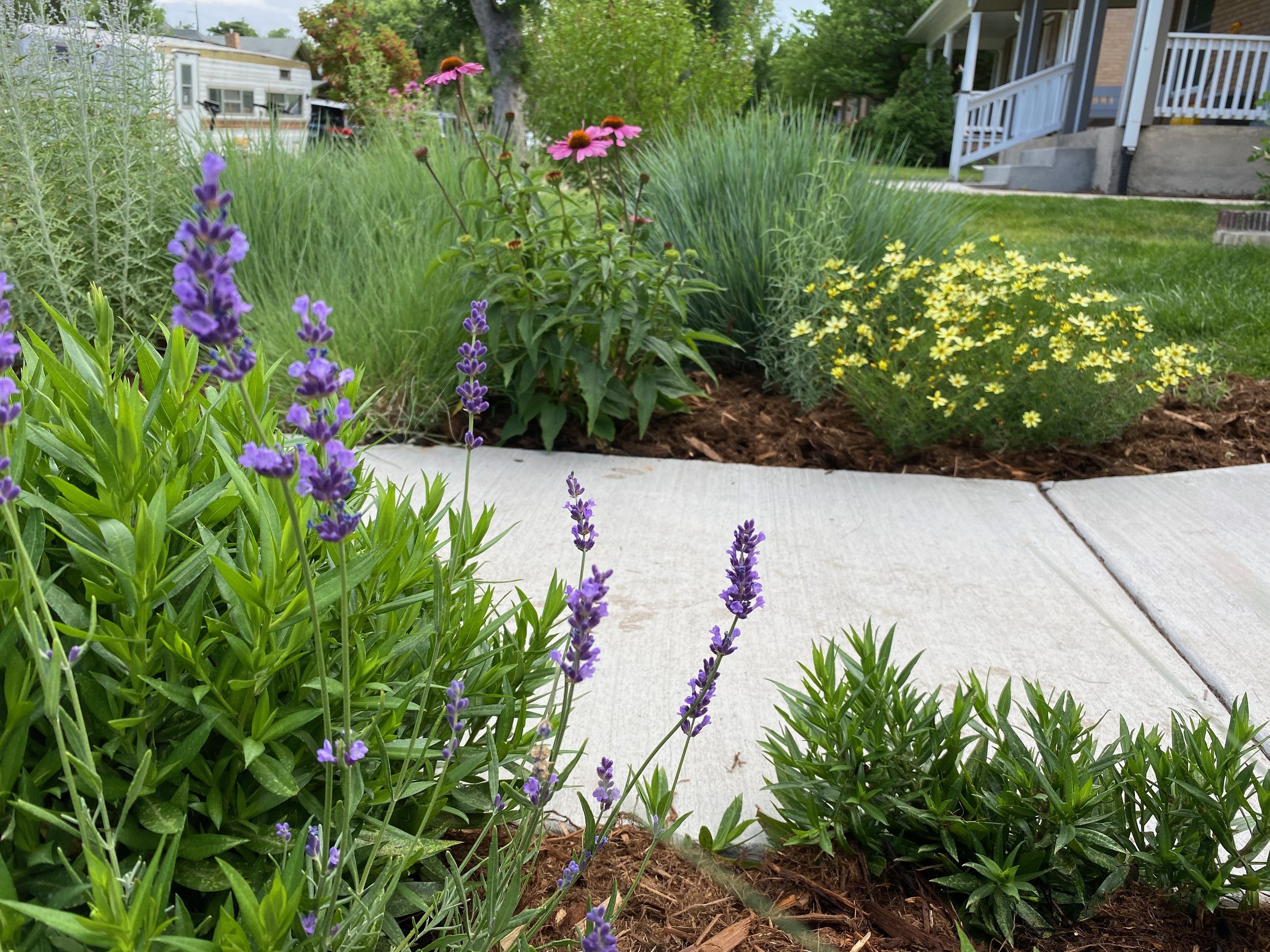
By embracing a regenerative mindset, your late-spring and early-summer maintenance becomes less about chores and more about partnership—with your soil, your plants, and the local ecology.
In northern Colorado’s variable climate, this approach leads to:
Stronger, deeper-rooted plants
More pollinators and beneficial insects
Better soil structure and water retention
A landscape that feels alive, resilient, and expressive through every season
If you’d like support in creating or maintaining a habitat-rich garden that thrives in step with the rhythms of our region, get in touch. Habitat Guild is here to help.
Stroy by Emily Reeves, True Nature Gardens, LLC