Fall and Winter Garden Maintenance: Why “Less Is More” in a Habitat Garden
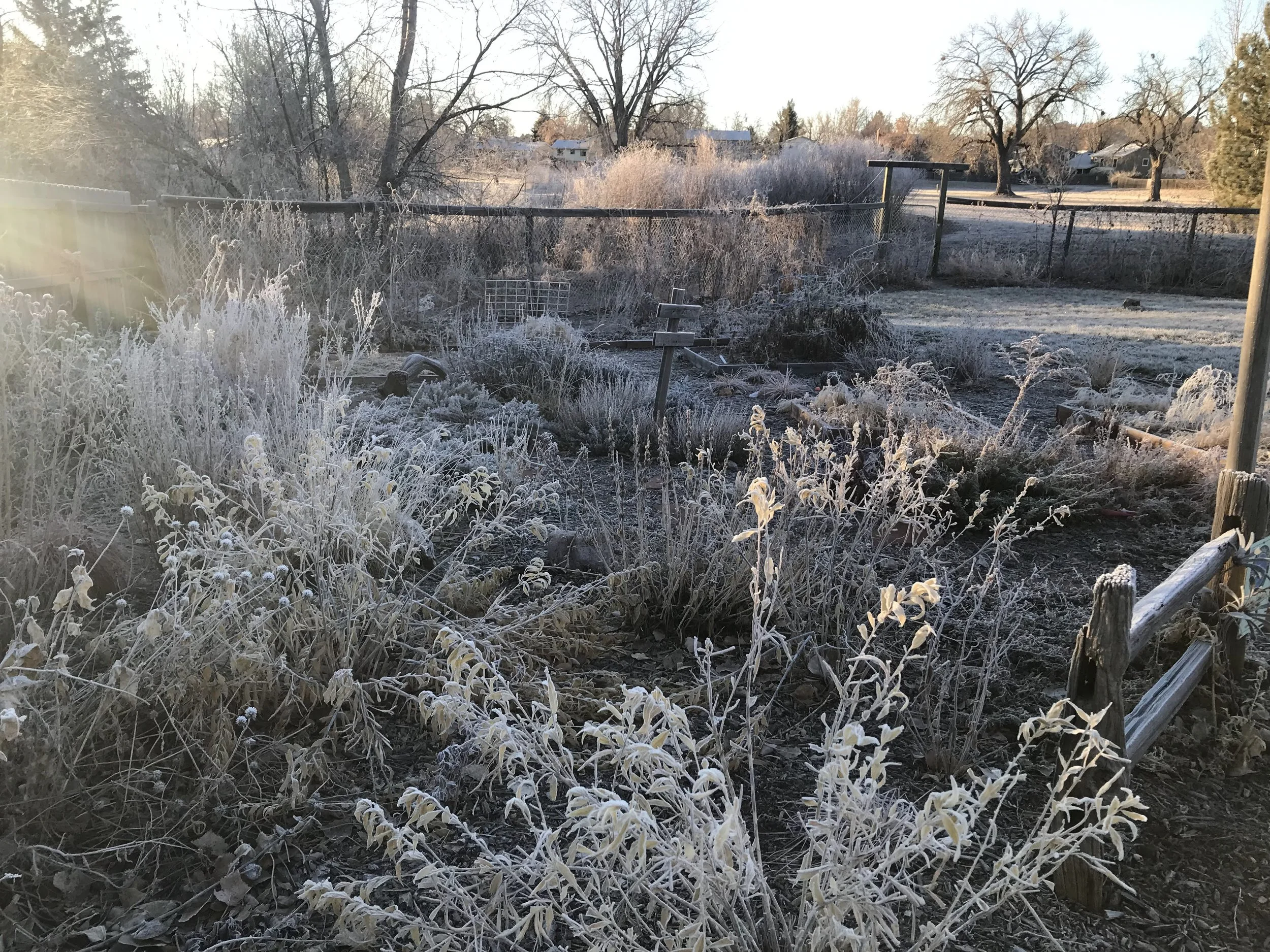
As the growing season winds down, it’s natural to wonder how much care your garden needs before winter sets in. Traditional garden advice often leans toward tidying everything up: cutting back plants, removing every leaf, raking beds clean. But in a habitat-focused landscape, fall and winter are seasons for restraint, not rigor.
For the fall and winter months, we encourage a “less is more” approach for garden maintenance. This style of maintenance supports the birds, insects, and ecological processes that depend on fall and winter habitat. It also reduces unnecessary work while allowing your garden to express new layers of beauty in the quiet season.
Here’s how to care for your landscape to nurture life through the colder months.
Leave the Leaves
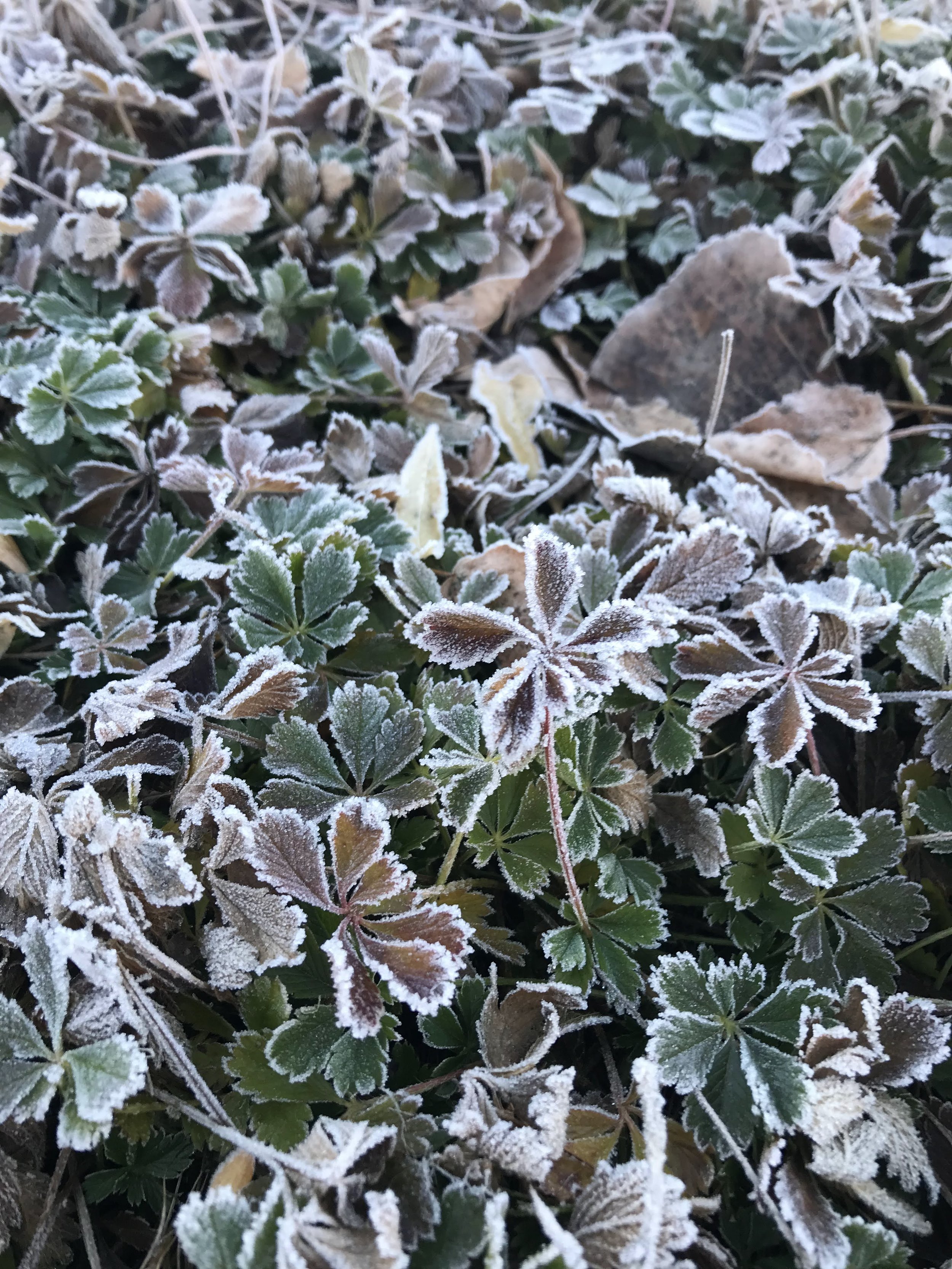
Instead of bagging fallen leaves, rake them gently into your garden beds. Leaves act as a natural mulch—helping retain soil moisture, suppress winter weeds, and slowly break down to enrich the soil.
The only exception: leaves that have gotten moldy or are from plants with known diseases, like powdery mildew on phlox or black spot on roses. Those should be removed and disposed of to prevent future issues. Otherwise, let the leaf litter do what nature intended.
2. Let Your Plants Stand for the Winter
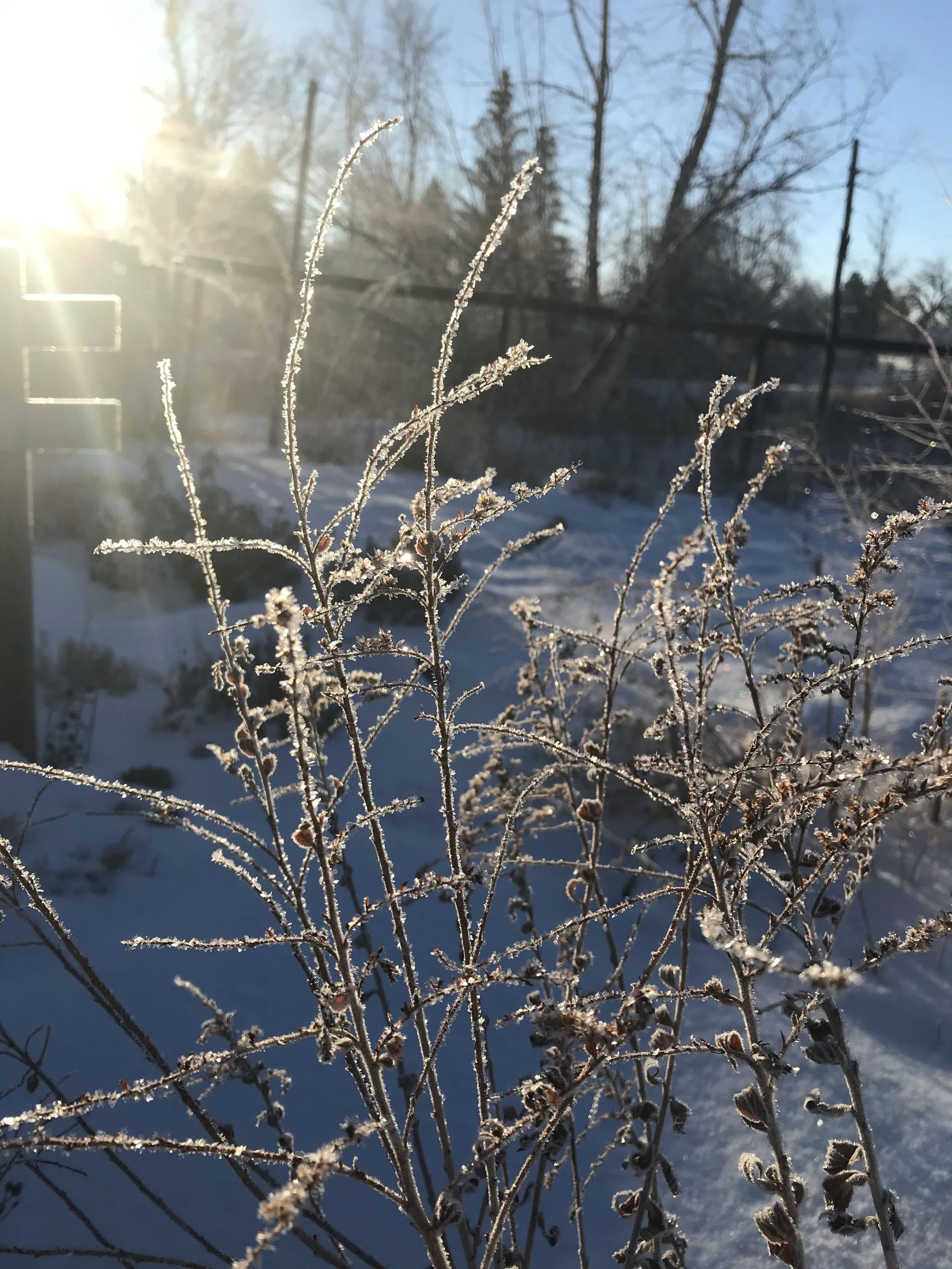
Cutting everything to the ground in the fall removes critical winter habitat for pollinators and beneficial insects. Allowing your plants to stand through winter:
Provides shelter for overwintering insects
Offers seeds, forage, and nesting material for birds
Adds structure and visual interest to the winter landscape
Native grasses are especially valuable. Species like little bluestem turn warm shades of rust, copper, and orange as temperatures drop. These grasses also serve as larval hosts for beneficial insects that songbirds rely on in early spring—an essential link in the ecological food web.
Many perennials have hollow stems that become winter housing for native bees and other insects. Leaving these intact keeps your garden functioning as a year-round habitat, even when it looks quiet on the surface.
What You Can Cut Back (If You Want To)
A habitat-centered garden doesn’t mean pruning anything. Here are a few exceptions:
Heavy reseeders you want to keep in check
Plants that flop or splay and feel messy or obstructive
Any clearly diseased plant material should be removed
Think of this as selective editing rather than cleanup. The goal is to maintain ecological value while supporting the design and function of your space.
3. Keep Pulling Weeds (If You Feel Like It)
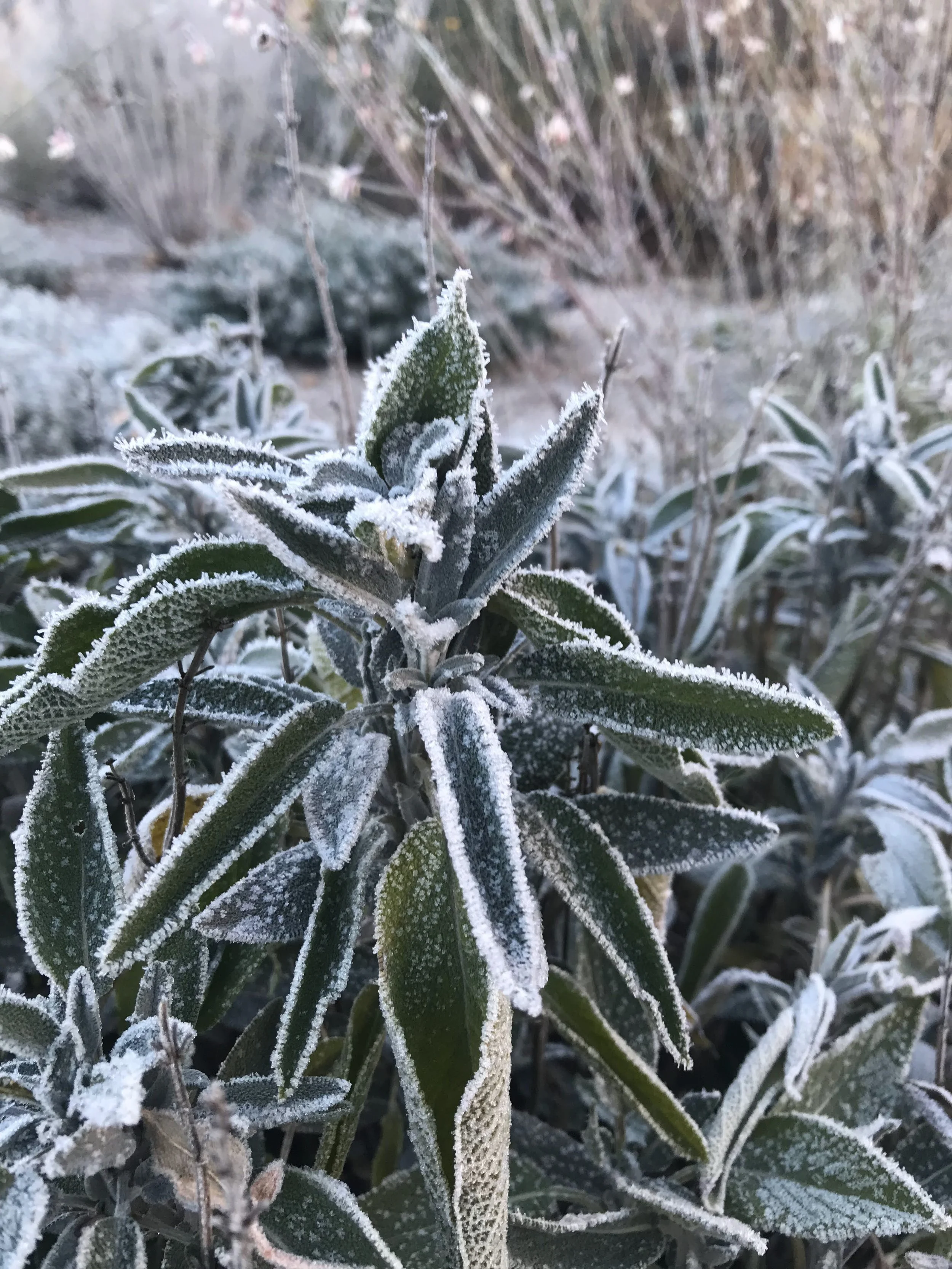
If you enjoy spending time in the garden on crisp fall days, this can be a great moment to pull weeds. Focusing on a handful of persistent or invasive species now can make spring maintenance far easier. Many weeds stay green long after herbaceous perennials fade back, making them easier to spot and remove before they drop seeds. Even five or ten minutes of light weeding as you walk through the garden can make a noticeable difference come March.
And if you don’t get to it? Your garden will be just fine. Healthy ecosystems are resilient, and a few winter weeds won’t undo a season of good stewardship.
4. Water During Warm or Dry Spells
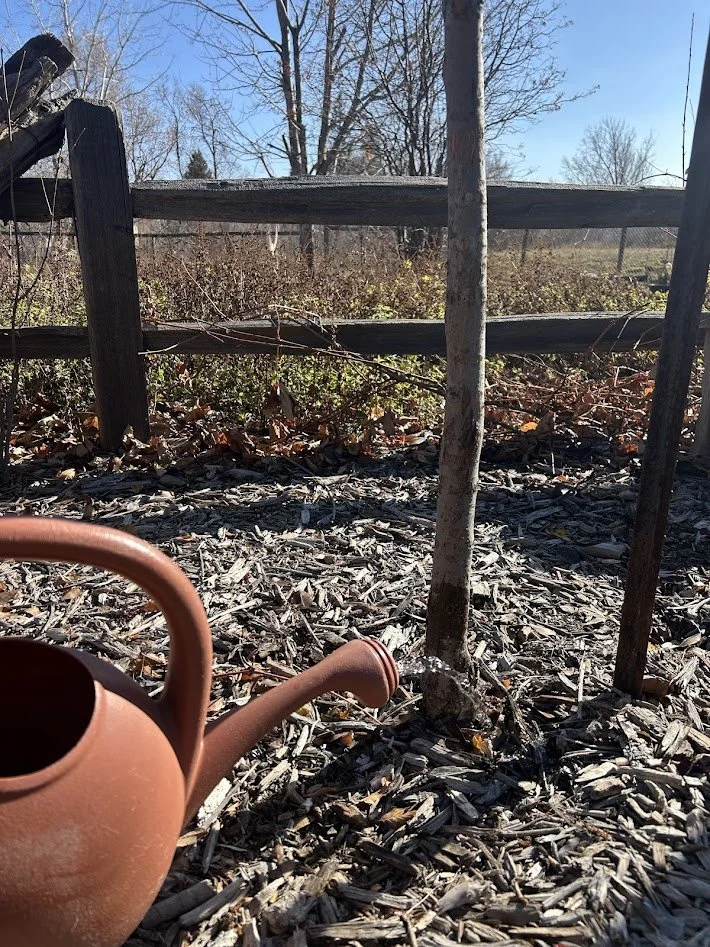
Fall and winter watering is one of the most overlooked tasks in landscapes across Colorado. Newly planted perennials, shrubs, and trees need consistent moisture during extended dry periods, especially when it’s windy.
A good rule of thumb:
If there’s no snow cover and no measurable precipitation for 2–3 weeks, give your plants a deep drink.
This is crucial for young plantings as they establish roots before spring.
5. Mulch to Protect Soil and Roots
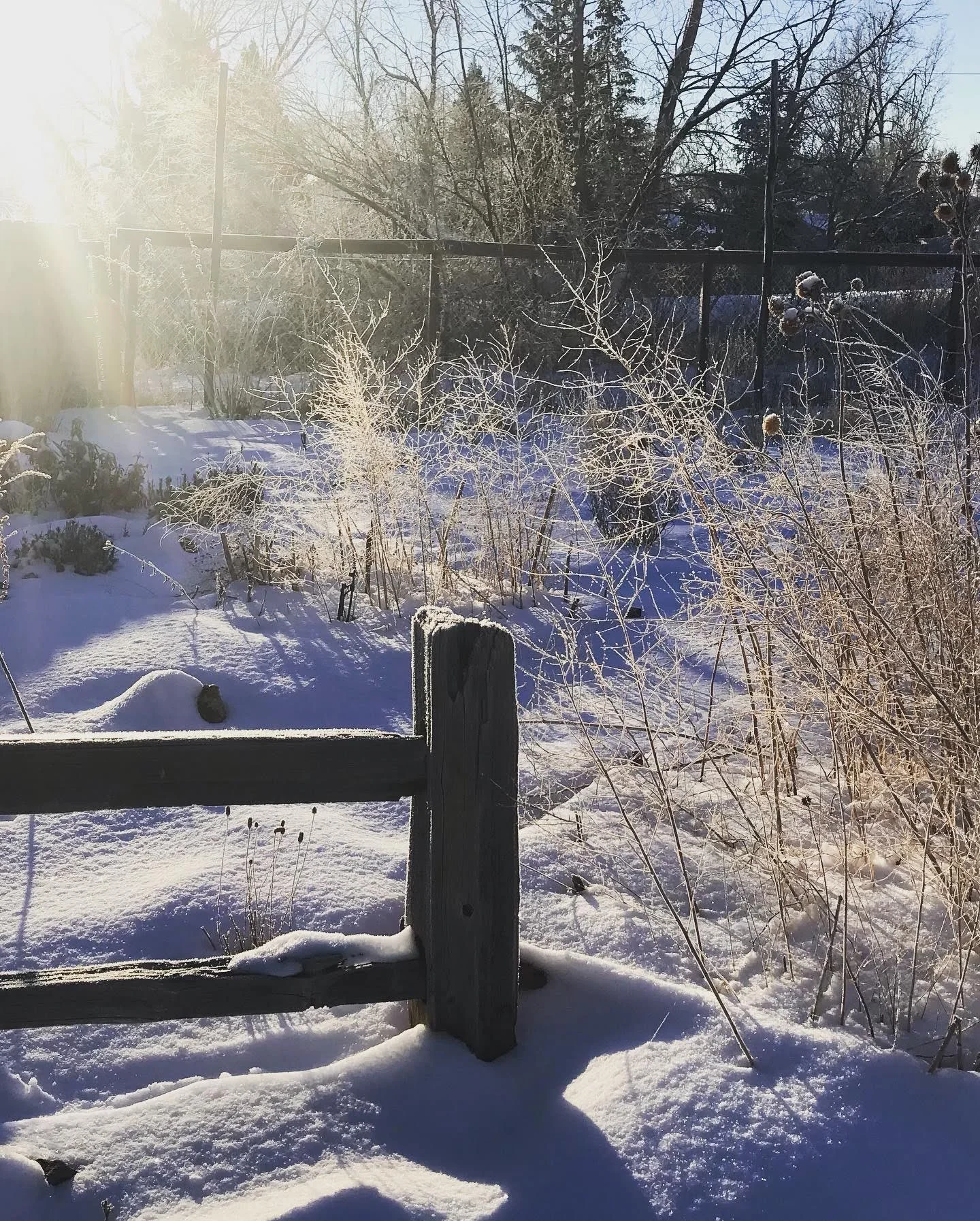
A fresh layer of mulch insulates plant roots, regulates soil temperature, suppresses winter weeds, and supports moisture retention during dry spells. Combined with natural leaf litter, mulch helps your garden weather the winter with resilience.
Aim for a 2–3 inch layer, and try to choose a material that suits your garden’s long-term health, like shredded bark, wood chips, or leaves; all work beautifully. In a habitat garden, mulch is more than a cosmetic touch: it creates a stable, protected environment where soil organisms can stay active through winter.
Those microbes, fungi, and decomposers form the hidden engine of your landscape, quietly breaking down organic matter and preparing your soil for a vibrant spring. Spread mulch around (but not directly on top of) crowns and stems, and let nature take care of the rest.
Winter Is Part of the Garden’s Story
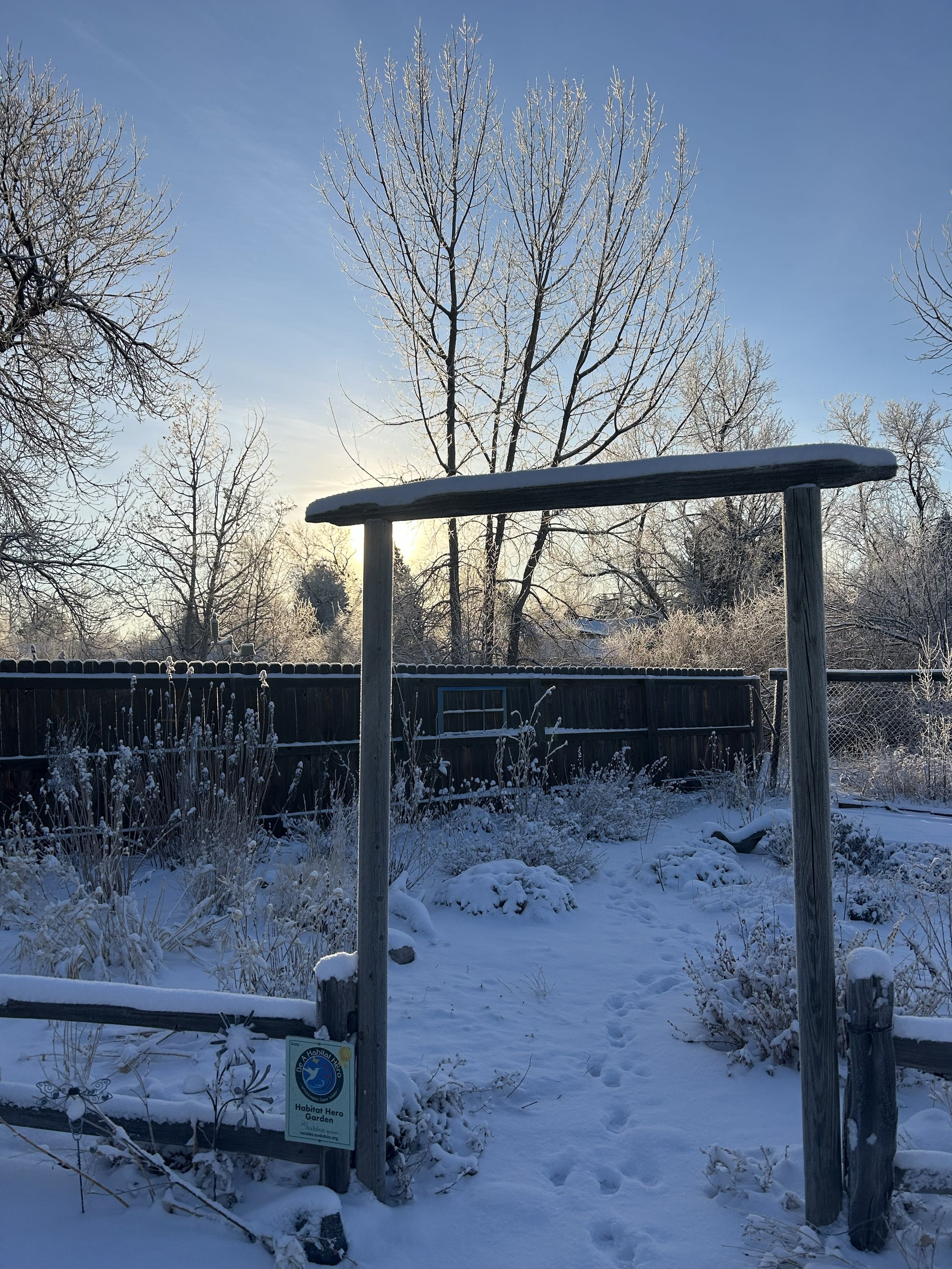
Fall and winter aren’t just dormant seasons; they’re an essential ecological chapter. Stems, leaves, grasses, seedheads, and even the smallest pockets of debris play a role in supporting life until spring returns.
By embracing a “less is more” approach, you’re allowing your garden to do what it does best: support biodiversity, build soil health, sustain birds and beneficial insects, and develop a rich, season-long beauty that changes with the light and weather.
If you'd like guidance on seasonal care or want help creating a habitat-rich garden that shines year-round, Habitat Guild is here to help.
Story and photos by Emily Reeves of True Nature Gardens, LLC