Pathways in Landscape Design: Creating Flow, Function, and Healthy Soils
Paths are essential landscape infrastructure, elements that quietly shape how people move, how soil stays healthy, and how a landscape evolves.
Well-designed pathways guide circulation, prevent soil compaction, frame planting areas, and invite people into the garden in a way that feels welcoming and easeful. They are the bones of the landscape, setting the structure that allows plants, habitat, and human use to coexist successfully.
How We Think About Movement in the Landscape
Every pathway we design and install starts with observation and intention. We pay close attention to how a space is used now, how it will be used in the future, and how people naturally move through it.
In larger landscapes, pathways support wayfinding and help visitors understand where to go. In smaller gardens, they encourage circulation through planted spaces rather than around them, allowing people to experience the garden up close.
Just as importantly, paths protect the living systems beneath our feet. By clearly defining where foot traffic belongs, we reduce soil compaction in garden beds, preserve soil structure, and protect plant roots, all critical considerations in regenerative landscapes.
Path Hierarchy: Designing for Frequency and Function
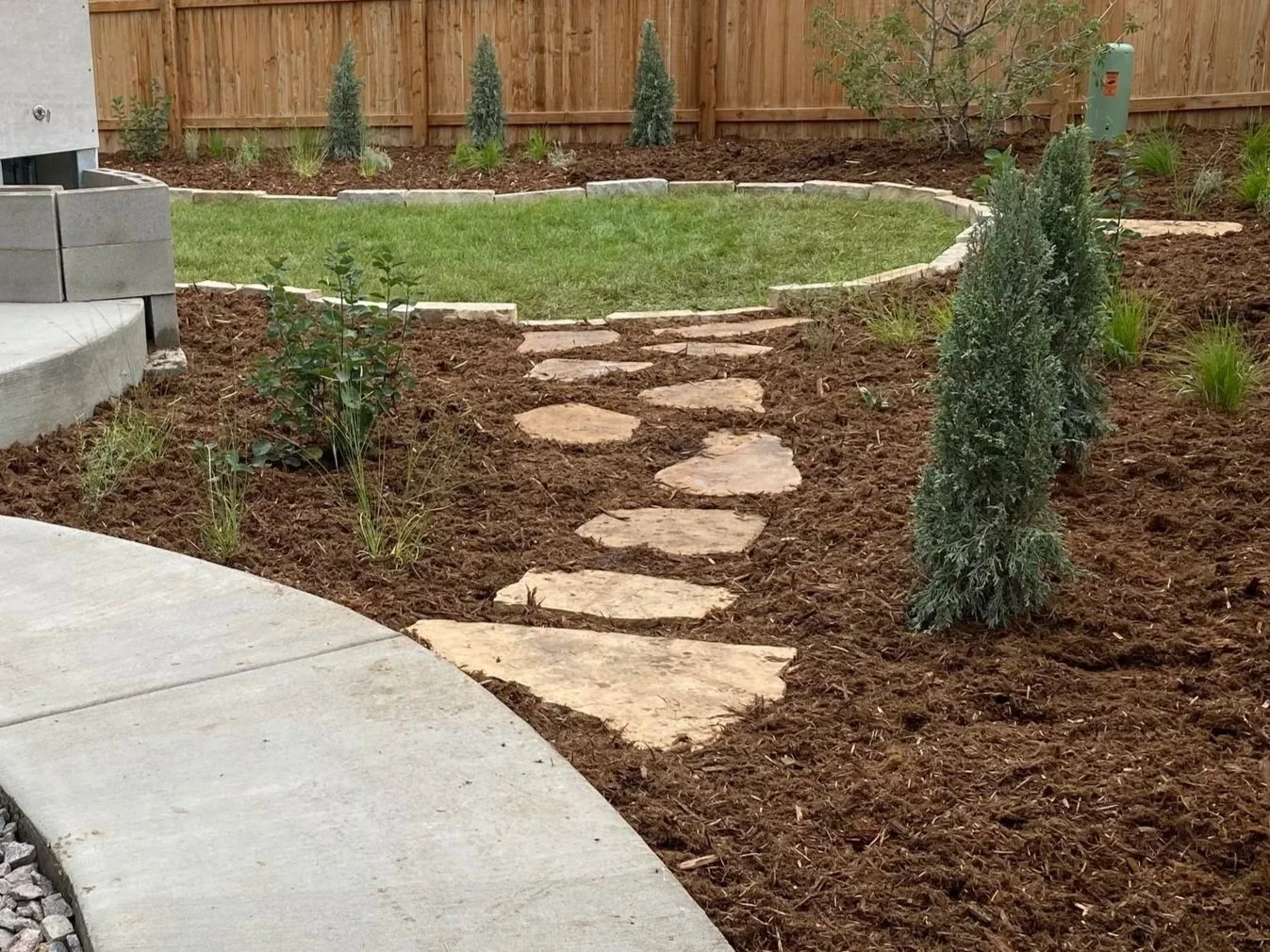
Secondary pathways serve important but less frequently traveled routes, such as side-yard connections or paths leading from the back door to a vegetable garden, compost area, or shed. These paths still need to be clear and functional, but they can be lighter in feel and material than primary routes.
Tertiary pathways are informal footpaths that move through garden beds and habitat areas. These allow access for observation, harvesting, maintenance, or quiet enjoyment while protecting soil and plants from repeated foot traffic. In habitat gardens especially, these subtle paths invite interaction without disruption.
Pathways as Design Framework
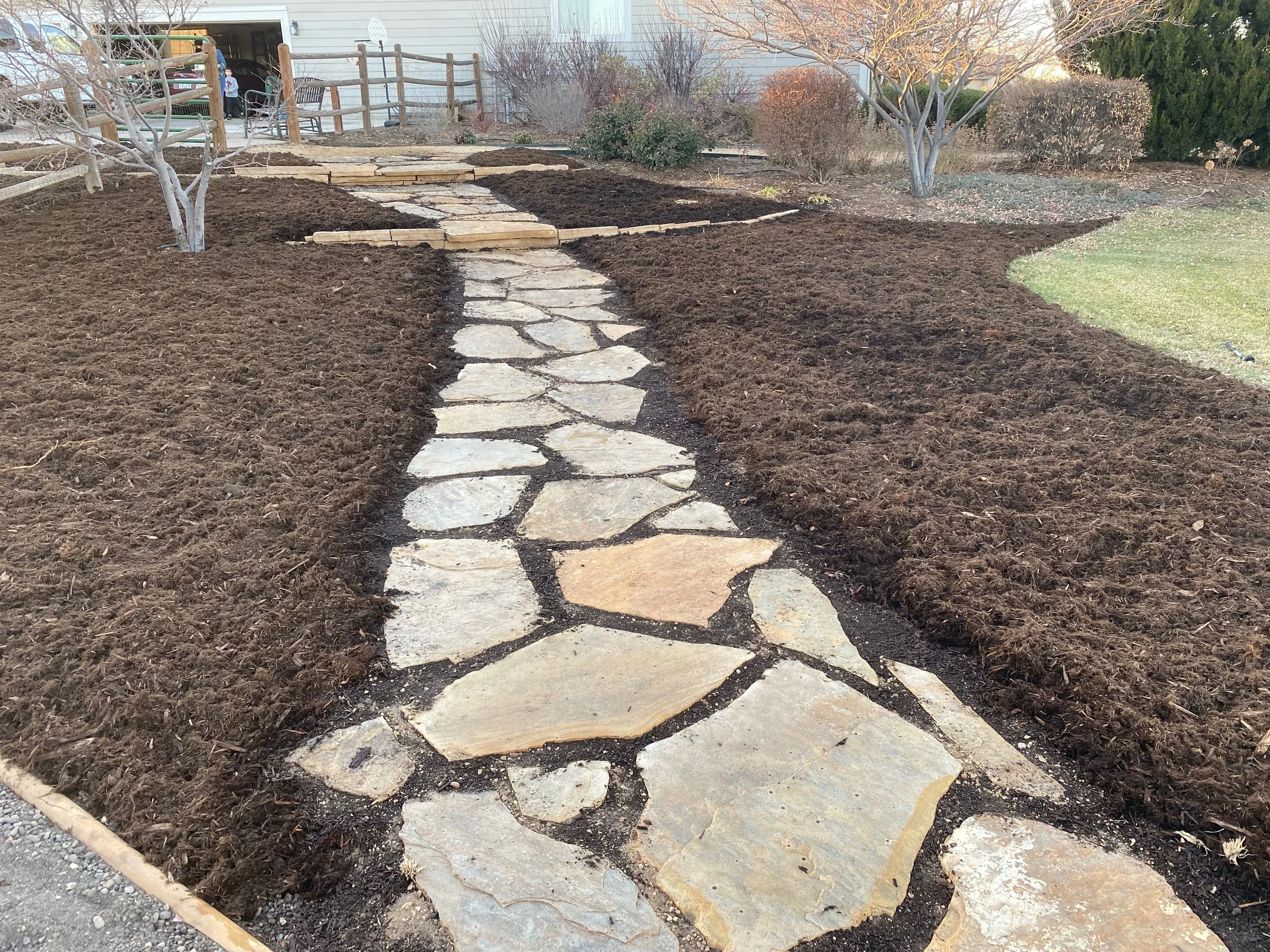
Choosing Pathway Materials: Pros, Cons, and Best Uses
Material selection is driven by use, aesthetics, longevity, and ecological impact. Below is how we evaluate and work with some of the most common pathway materials in habitat-focused landscapes.
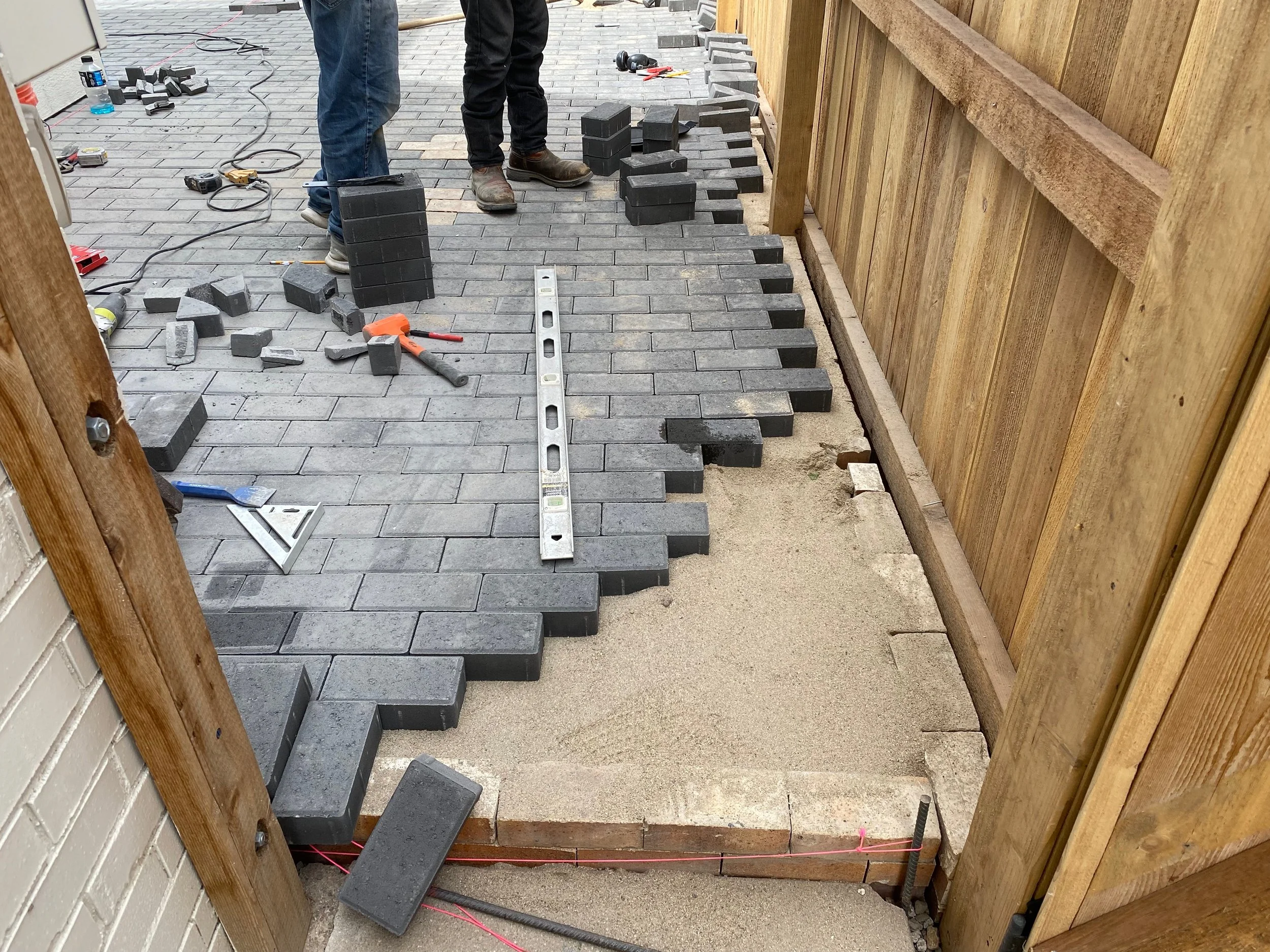
Care:
Pavers benefit from occasional sweeping and rinsing to prevent the buildup of debris. Joints may need to be refreshed periodically, and some finishes may require resealing depending on exposure and wear.
Cons:
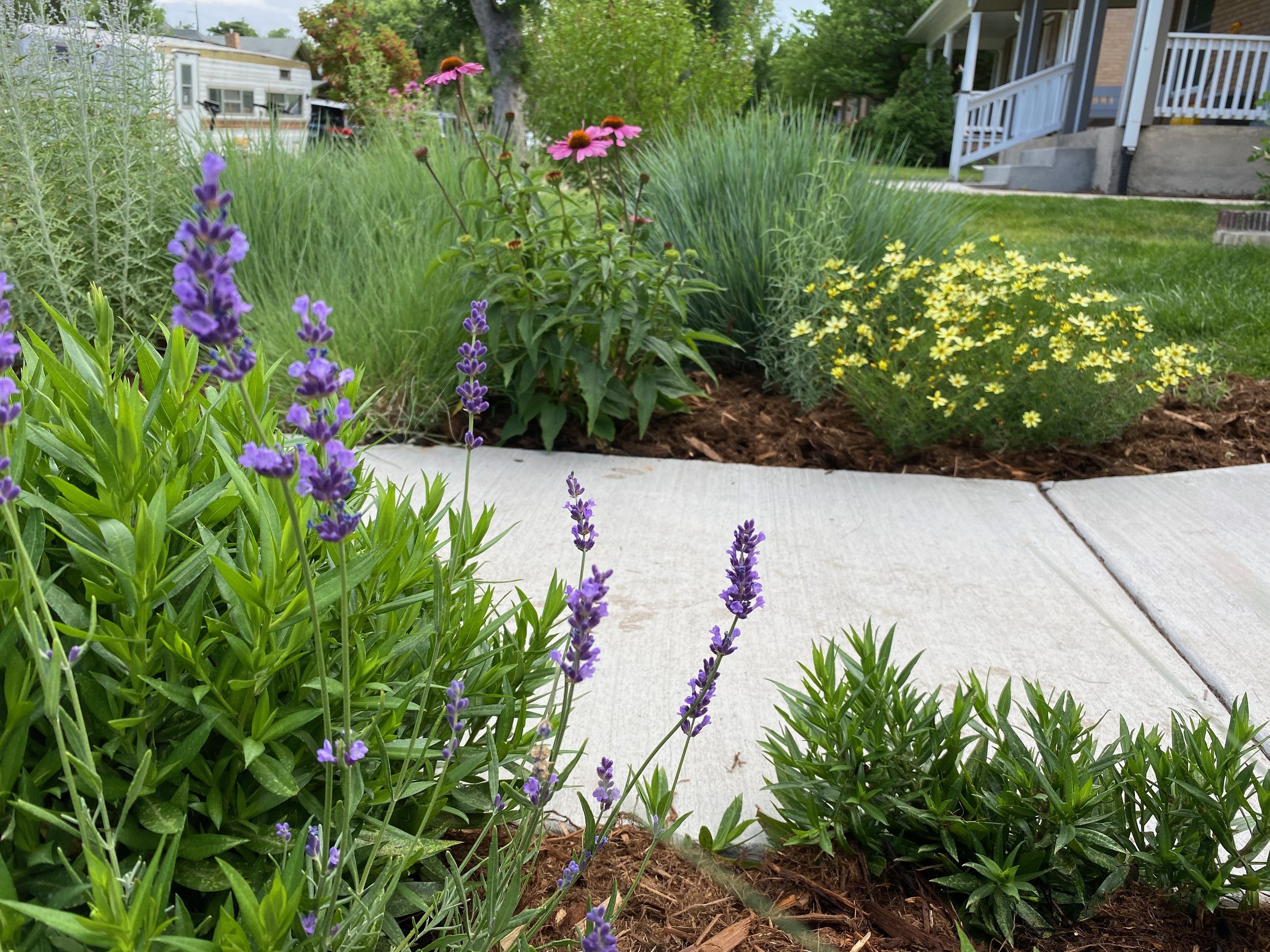
From an ecological standpoint, concrete has a large carbon footprint and is typically impervious to water, which can increase runoff if not carefully integrated into the overall site design.
Care:
Concrete pathways require relatively minimal maintenance, but proper care is important for longevity. Ice melt products should be avoided, as repeated freeze–thaw cycles can cause cracking and surface flaking. We recommend using sand for winter traction instead. Occasional power washing helps keep surfaces clean, and finished concrete may need to be resealed periodically to protect the surface over time.
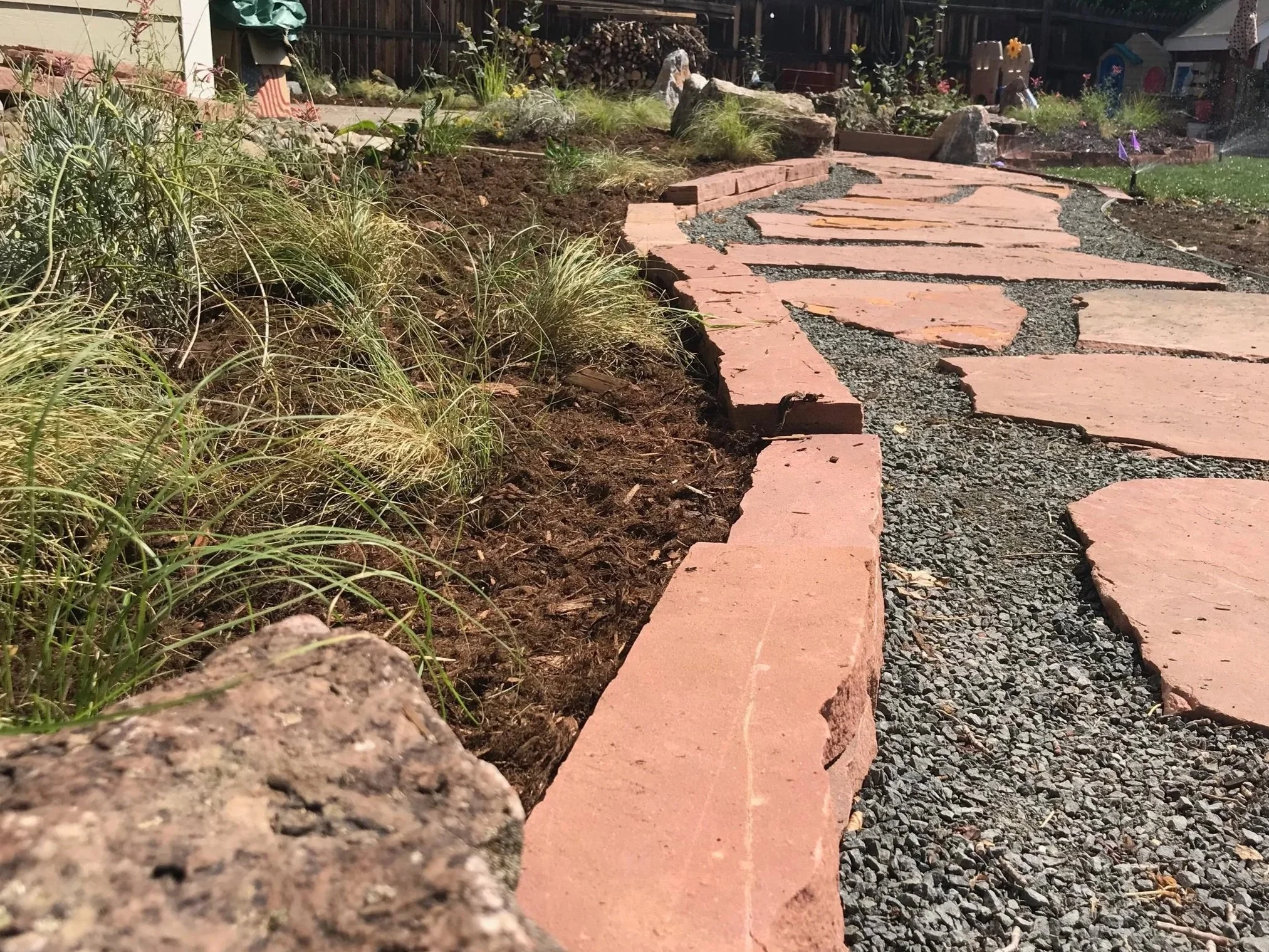
Care:
Periodic adjustment may be needed to keep the stones level. When installed in gravel rather than soil, long-term stability and drainage are improved, reducing maintenance needs.
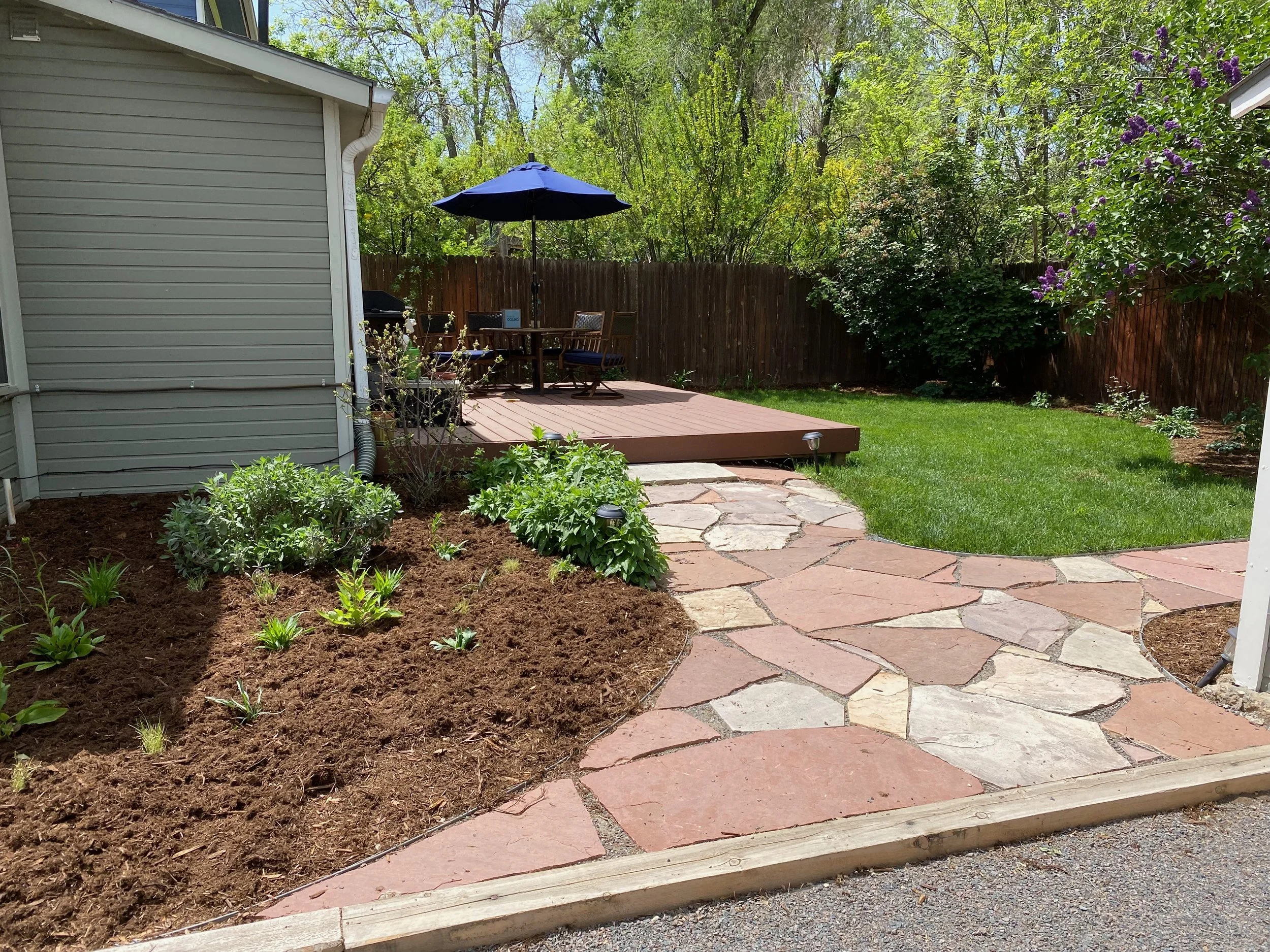
Care:
Routine maintenance is minimal but important. Occasional cleaning helps prevent moss or algae buildup in shaded areas, and joints may need attention if settling occurs.
Pathways are the Framework of the Garden
Pathways are never just about convenience. They are about guiding movement with intention, protecting soil and plants, and creating landscapes that feel intuitive, welcoming, and resilient.
By thoughtfully considering hierarchy, materials, and long-term use, we design and install pathways that support both human experience and ecological health, helping landscapes function beautifully for years to come.
Story by Emily Reeves; True Nature Gardens, LLC