Want to replace your lawn, create a waterwise garden, or transform your backyard into a gorgeous outdoor living space, but not sure when to get started?
Here's our advice: Don't wait until spring to start planning your landscape project.
It comes as a surprise to some, but late fall and winter are actually the best time to begin landscape planning and installation. While Colorado's growing season can be relatively short, the landscape planning and installation season doesn't have to be. In fact, starting your project in the fall or winter gives you time to develop a thoughtful design, explore materials and plant selections, coordinate contractors, and get on the schedule for a two-phase installation starting in winter with hardscape, or a full installation in late spring or summer.
Whether you're considering a complete landscape renovation or lawn conversion, or a smaller project like a patio, planting beds,or pathways, a little advance planning can make the entire process smoother.
Here's what to know about planning, designing, and installing a landscape in Colorado.
When should I start planning a landscape project in Colorado?
You can start planning anytime, but we think The best time to start planning a landscape project in Colorado is late summer through winter, especially if you want to begin installation in spring or summer. You may even be able to get in the books for a hardscape installation in the winter.
Many homeowners start thinking about landscaping when the weather warms up and they begin spending more time outside. But by then, landscape designers and installation crews are often booking projects well into the season.
Starting in the fall or winter gives you a head start.
During the cooler months, you can work with a landscape professional to:
Identify your goals, priorities, and budget.
Evaluate your property's existing conditions, including sun exposure, soil, drainage, and irrigation.
Develop a landscape design that fits your home, lifestyle, and local climate.
Explore waterwise and native plant options that will thrive in your yard.
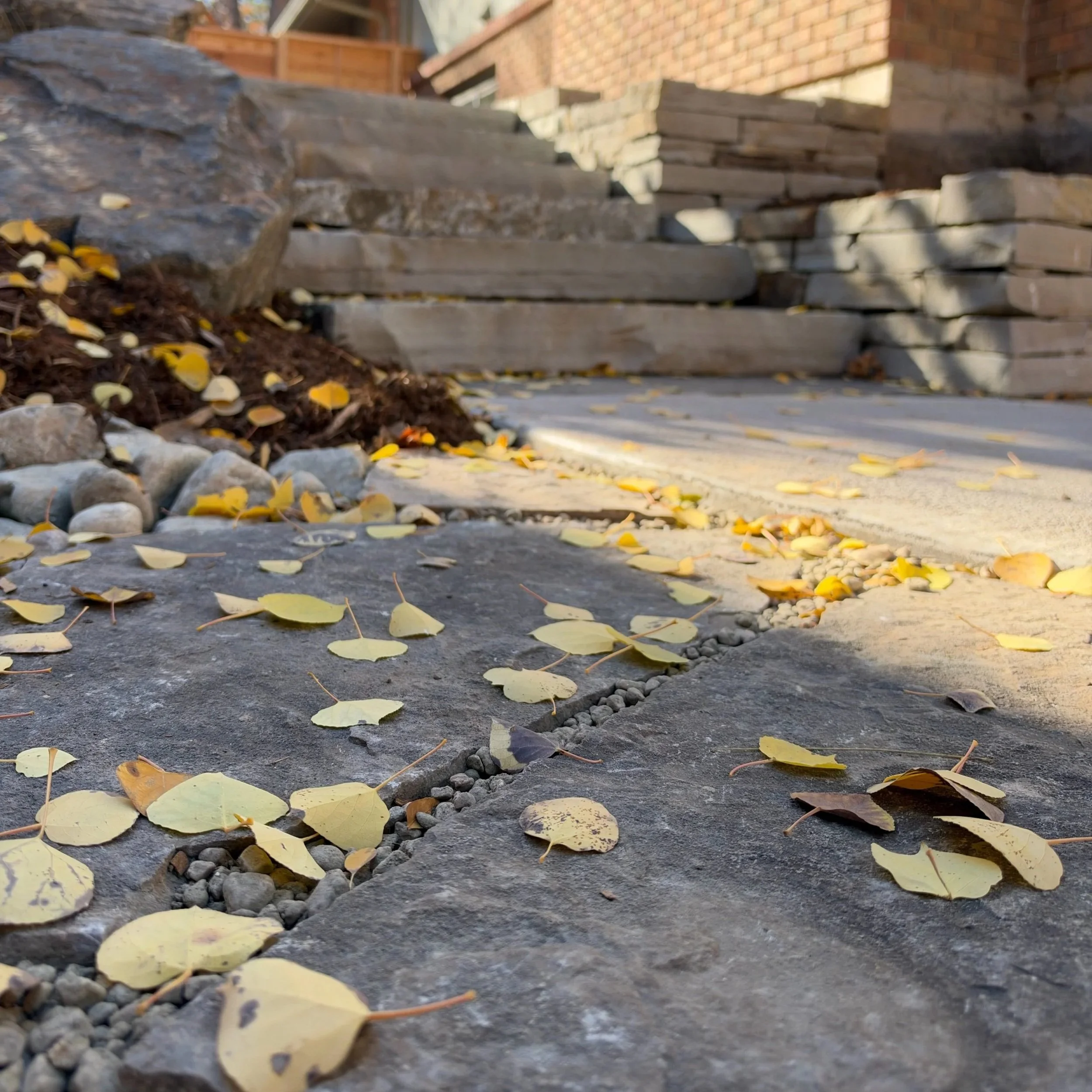
Select hardscape materials, such as patios, walkways, retaining walls, and boulders.
Coordinate installation schedules and any necessary permits or HOA approvals.
Begin a two-phase installation process, with hardscape (pathways, patios, boulders, stonework, etc) being installed in the early winter and plants in the summer.
This is especially important for low-water landscape projects. A successful waterwise landscape is about more than swapping out turfgrass for rocks or drought-tolerant plants. It requires thoughtful consideration of how different areas of your property will be used, how water moves through the landscape, what plants are suited to each location, and how the garden will develop over time.
Taking time to work through these details helps ensure the finished landscape is both beautiful and functional.
The bottom line: If you want a new landscape ready to enjoy next summer, fall and winter are ideal times to start the conversation.
How long does landscape design take?
Landscape design can take anywhere from At Least A Few Weeks to several months, depending on the size and complexity of the project, the level of detail needed, and how quickly decisions are made.
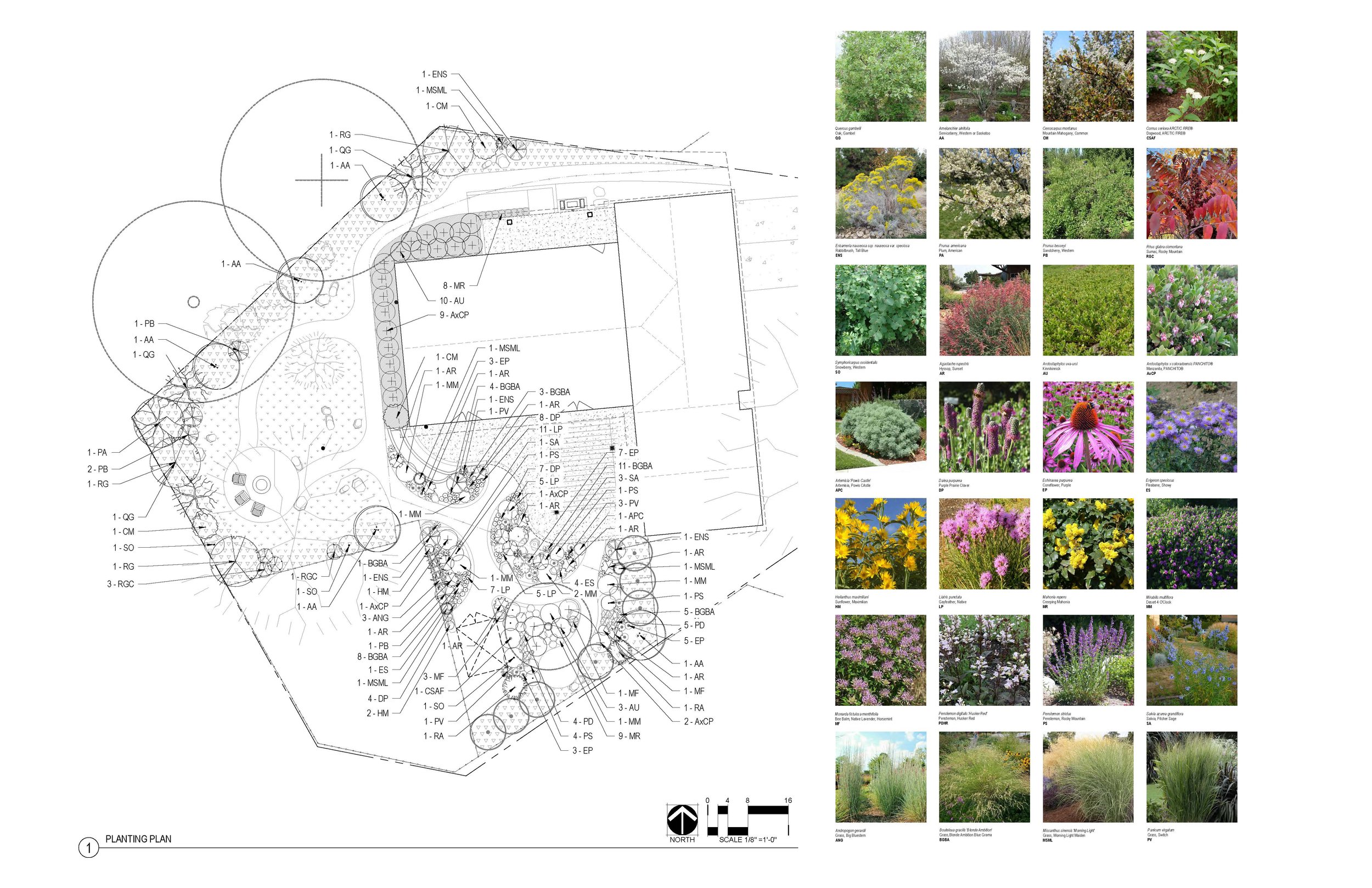
For a typical residential landscape project, the design process may include:
Initial consultation: Discuss your goals, budget, priorities, and vision for the space.
Site assessment: Evaluate the property, including existing vegetation, grading, drainage, sunlight, soil conditions, and irrigation.
Design development: Create a landscape plan that incorporates planting areas, hardscapes, outdoor living spaces, other project features, and preliminary estimates.
Design review and revisions: Review the proposed design, discuss options, and make adjustments.
Final planning: Finalize plant selections, materials, project details, finalized pricing and an installation timeline.
A relatively straightforward planting plan or small landscape design may take a few weeks. A larger project involving multiple outdoor living areas, retaining walls, irrigation changes, and extensive planting may require several months of planning.
It's also important to account for time needed to coordinate contractors, order materials, and secure HOA approvals when applicable.
Starting the design process in late fall or winter gives you room to work through these steps without feeling rushed. It also allows time to make thoughtful decisions rather than choosing plants and materials based on what's available at the last minute.
Can hardscape and planting be installed at different times?
Absolutely! In fact, completing hardscape and planting in separate phases is a common approach in Colorado.
Hardscape elements include the structural features of your landscape, such as patios, walkways, retaining walls, stone features, boulder groupings, and outdoor living spaces. These elements often establish the overall structure and layout of a yard.
Planting includes trees, shrubs, ornamntal grasses, perennials, and groundcovers that bring color, texture, seasonal interest, and habitat to the landscape.
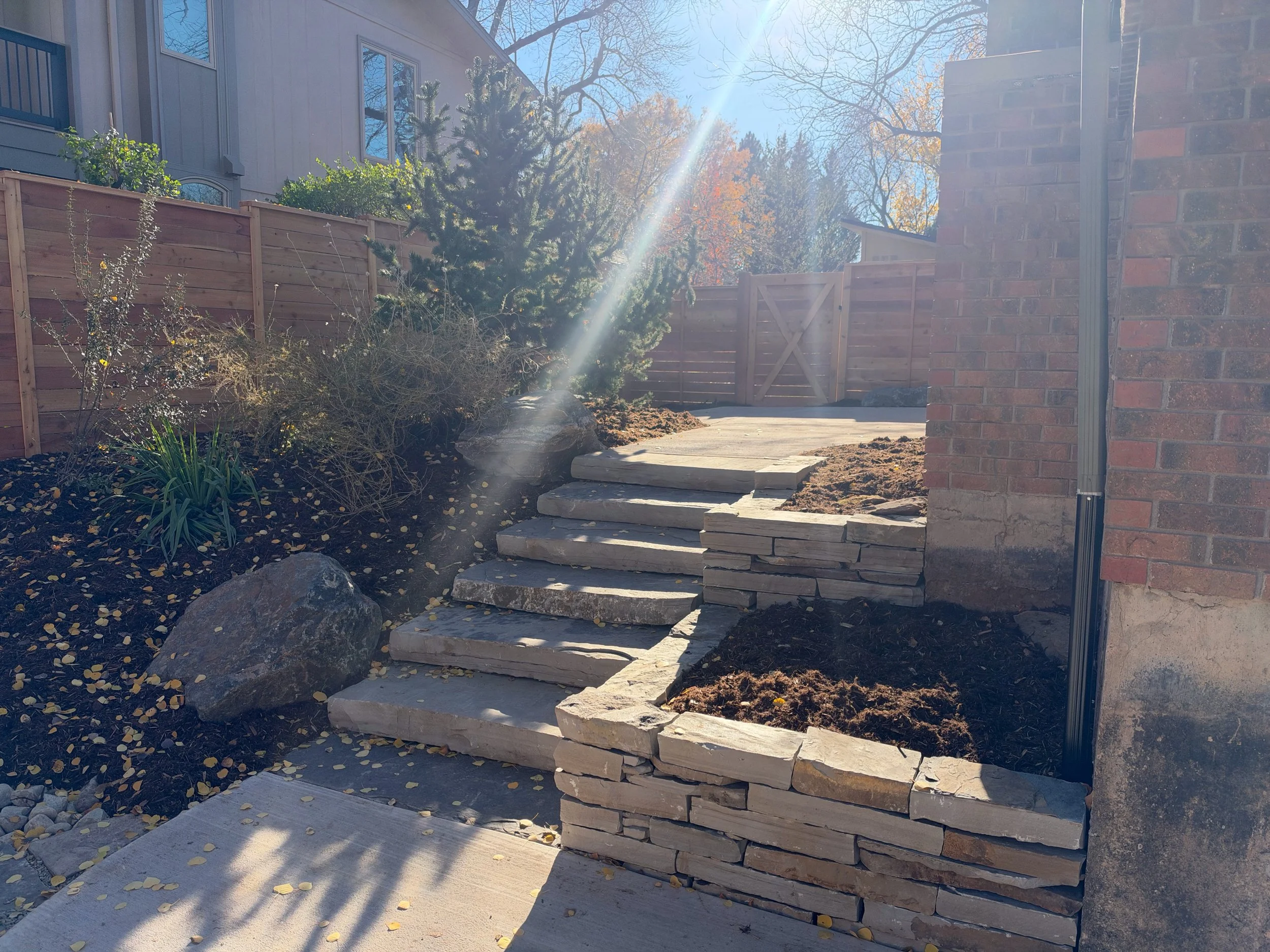
Depending on the project, these elements can be installed at different times of the year. For example, a homeowner planning a backyard renovation might:
Late summer or Early Fall: Finalize the design, select materials, and coordinate the project.
Fall or Early Winter: Install a patio, retaining wall, flagstone walkway, or other hardscape features, weather and soil conditions permitting.
Late Spring/Early summer: Complete planting, irrigation adjustments, and finishing details.
Summer and beyond: Establish the new garden with appropriate watering and ongoing care.
There are several benefits to this phased approach.
It gives you more scheduling flexibility. Hardscape construction can sometimes move forward before the ideal planting season, allowing you to make progress on the project earlier in the year.
It allows you to prioritize your budget. If you're tackling a larger landscape renovation, dividing the work into phases can make the investment more manageable.
It helps protect your plants. There's no need to rush planting simply because the hardscape is finished. Waiting for favorable planting conditions can give new plants a better opportunity to establish.
The key is to plan the entire landscape together, even if installation happens in phases. This helps ensure that patios, pathways, irrigation, grading, and planting areas work together as one cohesive design.
One important consideration: hardscape installation is still weather-dependent. Frozen ground, snow, and cold temperatures can affect excavation, grading, concrete work, and other construction activities. Your landscape contractor can help determine which parts of the project can realistically move forward during the colder months.
When is the best time to plant in Colorado?
Colorado's climate presents some unique challenges for establishing new plants. Our dry air, intense sun, fluctuating temperatures, and relatively short growing season mean that planting at the right time can make a big difference.
For most residential landscapes along Colorado's Front Range, late spring, early summer, and fall are the preferred planting seasons.
These seasons offer more moderate temperatures and generally less stress on newly planted trees, shrubs, and perennials than the heat of midsummer.
Spring and Early Summer planting
Spring or early summer are excellent times to install a new landscape in Colorado, but exact timing can depend on a few factors, including whether nursuries have all of the plants in your planting plan ready for your contractor, weather (which tends to be variable in spring to say the least), and soil conditions.
Most people think of this window as the perfect time to plant new trees, shrubs, ornamental grasses, and perennials, as they have a full growing season ahead to develop their root systems. For trees, the Colorado State Forest Service identifies March 15 through June 15 as an optimal planting window. Spring and early summer is a great time to establish new planting beds, install native and drought-tolerant perennials, and complete lawn conversion projects, as well.
One thing to keep in mind: spring is also one of the busiest times for landscape contractors. Having your design and installation plans finalized over the winter can help you get started sooner.
Fall planting
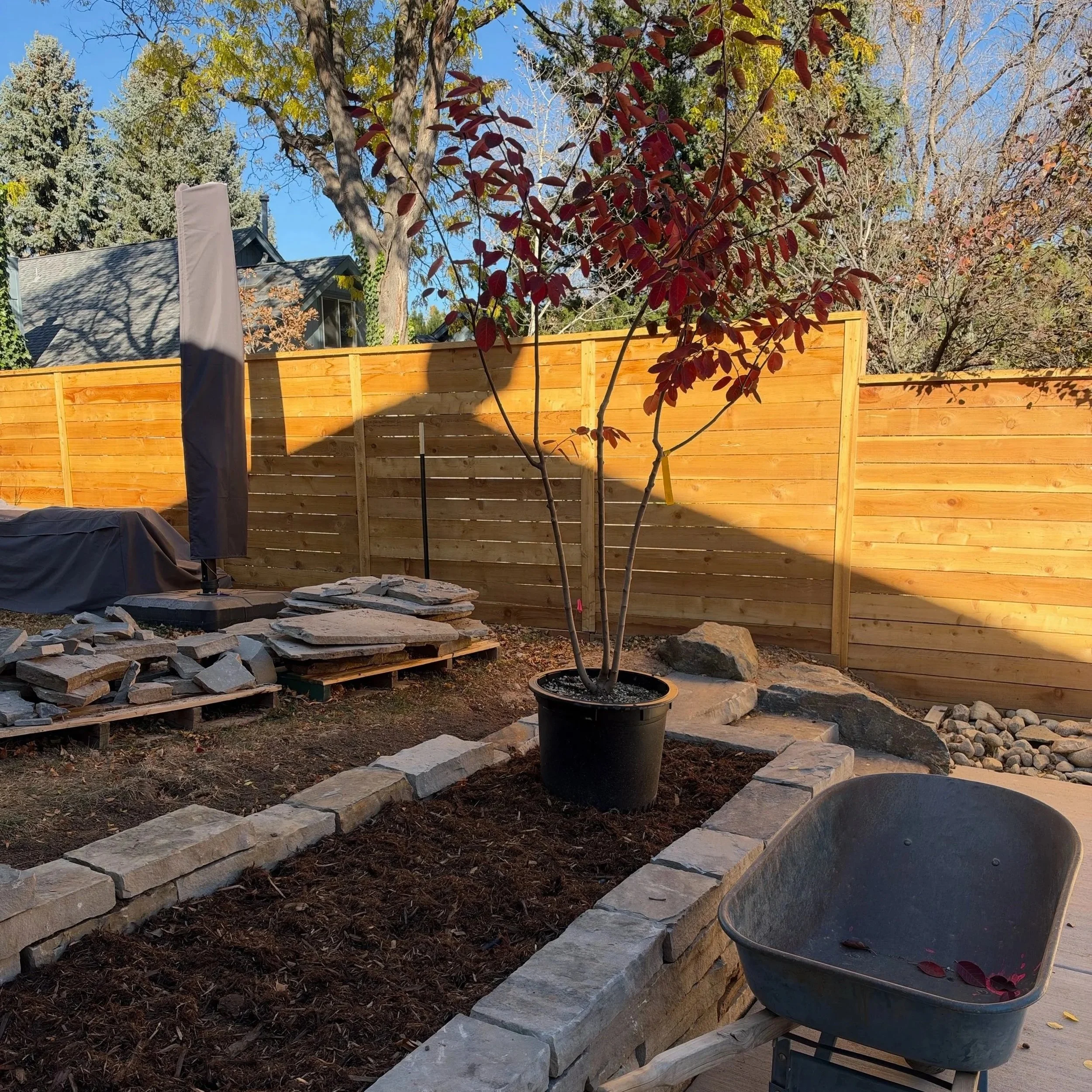
Fall is a great time to plant in Colorado, particularly for many trees and shrubs.
Cooler air temperatures reduce heat stress, while the soil often remains warm enough to encourage root growth before winter dormancy.
The Colorado State Forest Service recommends September 1 through October 15 as an optimal window for planting trees in Colorado. CSU's PlantTalk Colorado guidance also recommends completing fall tree and shrub planting by the end of October, with some species and site conditions requiring additional consideration.
Fall can be especially beneficial for establishing trees and shrubs because plants can focus on root development rather than producing new foliage.
However, not all plants are equally suited to fall planting. Some evergreens and less cold-hardy plants are more vulnerable to winter damage, and late-planted perennials may need extra attention. Plant selection, elevation, exposure, and watering all matter.
What about planting in Mid-summer?
Mis-Summer planting is possible in Colorado, but it requires more attention to watering and plant establishment.
High temperatures, intense sun, and dry conditions can put additional stress on newly installed plants. Container-grown plants can be planted during the growing season if they receive appropriate irrigation and care, but mid-summer planting is not always ideal.
For waterwise landscapes, remember that drought-tolerant doesn't mean no water, especially during establishment. Even native and adapted plants need supplemental moisture while their roots grow into the surrounding soil.
A well-designed irrigation system and an appropriate establishment watering plan can make a big difference in helping your new landscape thrive.
Why planning a waterwise landscape takes time
If you're considering replacing a traditional lawn or creating a more water-conscious landscape, it's worth spending time on the design before installation begins.
Waterwise landscaping isn't simply about choosing plants that need less water. It's about creating a landscape that works with Colorado's climate and natural conditions.
A thoughtfully designed waterwise landscape considers:
Plant selection: Choosing native and climate-adapted trees, shrubs, grasses, and perennials suited to your property's sun, shade, soil, and moisture conditions.
Water management: Grouping plants according to their water needs and designing efficient irrigation zones.
Soil health: Preparing and improving the soil to support healthy root development and retain available moisture.
Landscape function: Creating outdoor spaces that support everyday activities, provide shade, and offer comfortable places to gather and relax.
Ecological value: Incorporating diverse plants that provide food and habitat for pollinators, birds, and other beneficial wildlife.
These decisions are interconnected. For example, the location of a patio affects the surrounding planting areas, while the placement of trees can provide shade that makes outdoor spaces more comfortable and reduces heat around your home.
Taking time to consider the whole property helps create a landscape that is beautiful, functional, and more resilient over time.
Start planning now for a landscape you'll enjoy next summer
A beautiful, waterwise landscape doesn't happen overnight. It starts with a good plan.
Whether you're dreaming of a lush native garden, a low-maintenance front yard, a more inviting backyard, or a complete lawn-to-landscape conversion, late fall and winter are excellent times to get started.
By working through the design process now, you can make thoughtful decisions, coordinate the details, and prepare for installation when conditions are right.
At Habitat Guild, we help homeowners create regenerative, waterwise landscapes that work with Colorado's climate while supporting local ecosystems and creating beautiful outdoor spaces for people to enjoy.
Ready to start planning your landscape project? Schedule a consultation with Habitat Guild. We'll help you explore the possibilities, develop a plan, and take the first steps toward a landscape you'll love for years to come.
Photos by Derek Brandt, Habitat Guild
Resources and References: